Featured CE Certified Glow Contact Lens Catalog
Explore our export-ready wholesale and private-label glow contact lenses. Manufactured using proprietary sandwich color-locking micro-capsules under strict medical device regulatory standards.
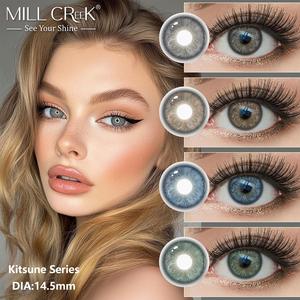
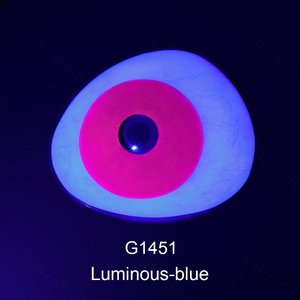
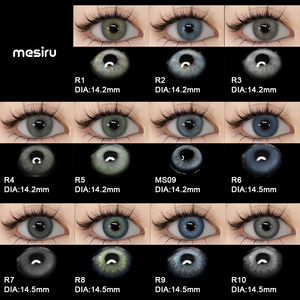
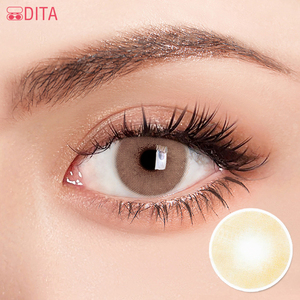
Executive Summary: Sourcing CE Certified Glow Contact Lenses
The global market for luminescent, photoluminescent, UV-reactive, and "water glow" cosmetic contact lenses is experiencing unprecedented growth. Driven by theatrical arts, cosplay entertainment, digital content creation, and high-fashion cosmetic demand, global buyers require contact lens manufacturers capable of delivering vivid visual effects without compromising ocular physiology.
As a premier optical manufacturing enterprise, BLMG Optical Ltd. operates at the intersection of optometric innovation, chemical safety, and precision manufacturing. This comprehensive B2B technical guide provides distributors, brand owners, and medical procurement officers with actionable intelligence regarding regulatory standards, micro-encapsulation technology, market projections, and supply chain management for glow contact lenses.
Photoluminescent, UV-Glow, and Water-Glow Technological Frameworks
Understanding the physics and polymer chemistry behind glowing ocular devices is essential when sourcing inventory for regulated healthcare markets.
UV Blacklight Reactive
Utilizes non-toxic organic fluorophores that remain neutral in ambient room lighting but emit vibrant luminescence under 365nm-395nm blacklight UV exposure. Highly popular for theatrical and night-economy markets.
Photoluminescent Storage
Absorbs ambient photon energy and steadily releases it in dark environments. Incorporates medical-grade, bio-inert quantum phosphors completely embedded inside the HEMA hydrogel core.
Water-Glow & Iris Highlight
Combines multi-layer gradient printing with dynamic light-reflecting pearlescent particles. Creates a translucent, high-refractive visual moisture effect under standard indoor lighting.

Industrial Encapsulation: The Double-Sandwich Safety Protocol
The primary safety hazard associated with low-cost cosmetic contacts produced by non-certified suppliers is direct pigment exposure to the corneal epithelium. In cheap manufacturing, dye is printed directly onto the lens surface, leading to dye migration, corneal abrasion, and severe inflammatory responses.
BLMG Optical's Micro-Encapsulation Architecture
To comply with CE Mark certification and ISO 10993 cytotoxicity testing, BLMG Optical utilizes a proprietary three-layer sandwich injection cast-molding process:
- Anterior Hydrogel Shield: A 0.02mm clear, high-Dk poly-HEMA layer facing the tear film and eyelid inner lining.
- Encapsulated Pigment Layer: Bio-compatible luminescent dyes, stabilized with non-migratory cross-linking agents, precision-cast into the lens matrix.
- Posterior Corneal Buffer: A smooth base-curve hydrogel interface engineered for continuous mucin layer maintenance and optimal corneal oxygenation.
| Manufacturing Parameter | BLMG Standard Specification | Industry Low-End Standard | Clinical Safety Benefit |
|---|---|---|---|
| Pigment Placement | Triple-Layer Encapsulated (Sandwich) | Surface Printed / Mono-layer | Zero pigment contact with eye tissue; anti-fading |
| Oxygen Transmissibility (Dk/t) | 25.5 - 30.0 (High Breathability) | < 10.0 | Prevents corneal hypoxia & neovascularization |
| Water Content | 38% - 42% (Optimum Equilibrium) | 30% or volatile high-water | Maintains lens hydration without drying tear film |
| Base Curve (BC) Precision | 8.60mm (Tolerance ±0.05mm) | Unregulated variance | Prevents lens slippage and limbal friction |
| Sterilization Standard | Moist Heat Autoclave (121°C / 30 mins) | Chemical dip wash | 100% Sterility Assurance Level (SAL 10^-6) |
Future Procurement Trends in Glow & Cosmetic Contact Lenses (2025–2030)
As the international beauty and optical sectors converge, commercial procurement strategies are evolving rapidly. B2B buyers must adapt to five major technological and market shifts:
1. Transition to Daily Disposables
While annual lenses dominated historical costume sales, global compliance bodies favor daily disposable glow contacts. Daily wear reduces microbial contamination risks by 94% and generates higher reorder frequency for retail brands.
2. Rotational Stability Technologies
Asymmetrical pattern designs—such as crescent glow, feline eyes, and water-glow highlights—require precise rotational stability. Advanced factories utilize prism-ballast and back-surface toric designs to keep visual highlights properly oriented.
3. Silicone Hydrogel Upgrades
Next-generation photoluminescent lenses are migrating from legacy HEMA monomers to fluorosilicone hydrogel materials, increasing oxygen permeability by up to 300% for extended wear comfort during long theatrical events.
4. Agile Small-Batch OEM
E-commerce brand agility requires small opening orders. Modern certified factories provide low MOQ programs (from 100 pairs per SKU), allowing private-label brands to test niche color trends prior to mass manufacturing.
BLMG Optical Enterprise Advantages & Manufacturing Capabilities
Selecting an experienced OEM/ODM optical partner determines your brand's regulatory compliance, product safety, and market scaling speed.

Frequently Asked Questions (B2B Sourcing Guide)
Clear, authoritative answers to common inquiries from optical buyers, brand owners, and compliance managers.
Are glow and photoluminescent contact lenses safe for human eyes?
What CE certifications support the export of glow contact lenses to Europe?
What is the minimum order quantity (MOQ) for custom private label glow lenses?
What is the difference between UV Glow lenses and Photoluminescent Glow lenses?
Can glow contact lenses be produced with vision correction (rx power)?
What replacement cycles are available for wholesale orders?
Partner with a Leading CE Certified Glow Lens Factory
Launch or scale your private label contact lens brand with high-margin, fully compliant photoluminescent and cosmetic eye lenses. Contact our OEM/ODM engineering team today for samples, technical dossiers, and volume pricing.