CE-Certified Contact Lens Products
Explore our high-performance optical formulations, clear Rx vision correction lenses, and micro-encapsulated colored contacts available for global wholesale and private label brand OEM.
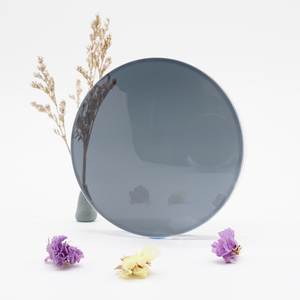
MAAT Lab Photochromic Photo Grey Contact Lenses 75mm Spherical UC Optical Resin Eyeglass Lenses 1.60 Index 98-99% Transmittance
Send an Inquiry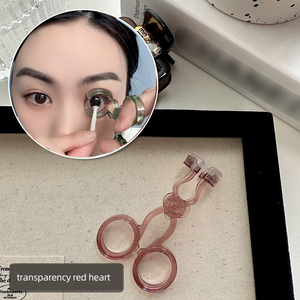
Free Private Label Transparent Eyes Contact Lenses Applicator Tool Circle Lens Applicators with Silicone Teeth Strip
Send an Inquiry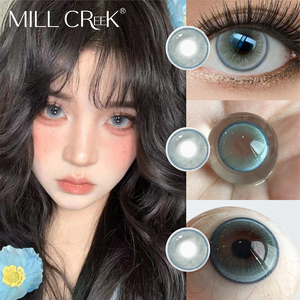
Haipurecon Very Cheap Eye Contact Lenses Soft Circle Cosmetic Color Contact Lens 1 Year Color Lens
Send an Inquiry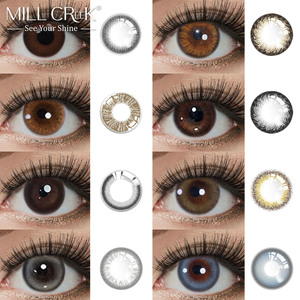
MILLCREEK Contact Lenses Prescription Korean Toric Astigmatism With Power Fixed-Axis Colored Natural HEMA Wholesale OEM
Send an Inquiry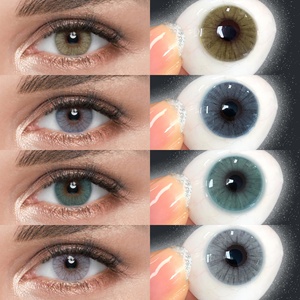
Private Label color Colored Contact Lenses Custom Packaging Full OEM/ODM Yearly Disposable 14.2mm Colored Contact Lenses
Send an Inquiry
MILL CREEK UV Blocking Daily Clear Contact Lenses with Power Bulk Order Soft Breathable Lenses for Vision Correction
Send an Inquiry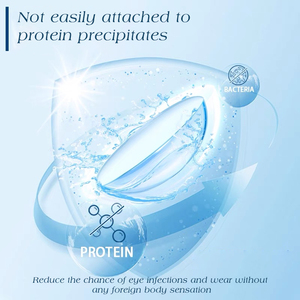
MILL CREEK UV Blocking Monthly Clear Contact Lenses with Power Bulk Order Soft Breathable Lenses for Vision Correction
Send an Inquiry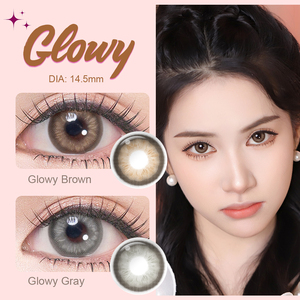
Magister New Arrival Glowy Contacts Lenses Color Eye Lens Prescription Contact Lenses Big Eye Contact Lenses Lentillas
Send an InquiryEngineering Standards of CE-Certified Contact Lenses in China
An technical analysis of biocompatible polymer selection, micro-pigment encapsulation, automated lathe-cut vs cast-mold engineering, and regulatory clearance for international distributors.
Medical-Grade Polymer Science & Biocompatibility
In modern ophthalmic device manufacturing, contact lenses are classified strictly as Class III medical devices due to direct, sustained contact with the human cornea. China’s premier manufacturing complexes, led by certified facilities such as BLMG Optical Ltd., utilize advanced Hydroxylethyl Methacrylate (HEMA), Poly-HEMA matrix blends, and cutting-edge Silicone Hydrogel (SiHy) materials.
These hydrogel formulations maintain precise water content ratios (ranging between 38% and 58%) while maximizing oxygen transmissibility (Dk/t values). High oxygen flux prevents corneal hypoxia, epithelial swelling, and limbal hyperemia, making these products suitable for daily, monthly, and annual wear schedules across global demographic segments.
Double-Layer Micro-Pigment Encapsulation Tech
A critical engineering differentiator in color contact lens manufacturing is pigment containment. Inferior cosmetic lenses risk direct pigment exposure to the ocular surface, leading to inflammatory responses, mechanical abrasion, or dye leaching.
Top-tier Chinese OEM exporters implement Bio-Compatible Sandwich Printing Technology. Organic pigments (such as FDA-approved iron oxides, titanium dioxide, and phthalocyanine compounds) are micro-encapsulated between two ultra-thin transparent hydrogel structural layers. This guarantees zero direct contact between pigment particles and corneal or conjunctival tissue, adhering to stringent European CE (MDR 2017/745) safety directives.
Future Procurement & Sourcing Trends in Optical Manufacturing
Key technological, regulatory, and supply chain shifts redefining global contact lens contract manufacturing and international procurement dynamics.
1. Transition Toward Daily Disposables & High-Dk SiHy
Consumer preferences are rapidly pivoting from traditional yearly and quarterly replacement cycles toward daily disposable colored lenses. Driven by eye health hygiene awareness, buyers in Europe, North America, and Japan are expanding daily disposable lines.
Consequently, contract factories are heavily investing in multi-cavity automated cast molding equipment capable of producing ultra-consistent, thin-edge daily silicone hydrogel lenses with superior surface wettability and reduced lipid deposition rates.
2. Micro-Batch OEM & Agile Supply Chain Deployment
Traditional contract manufacturing required prohibitive MOQs exceeding 10,000 pairs per SKU, stifling indie brand innovation. The emerging industry benchmark features flexible, agile manufacturing pipelines—such as BLMG’s Small Batch OEM Program starting at 100 pairs per design.
This allows e-commerce brands, specialty optical chains, and boutique cosmetic labels to rapidly test niche pattern trends, seasonal cosplay lines, or specific power ranges without taking on excessive capital risk or holding idle inventory.
3. AI-Assisted Automated Optical Inspection (AOI)
Quality control is shifting from manual stereomicroscope sampling to 100% inline machine vision inspection. High-resolution camera sensors utilize AI edge-detection algorithms to instantly identify sub-micron defects, edge tearings, bubble voids, and pigment off-center misalignments during blister sealing.
This automated validation standard ensures zero defect export shipments, drastically cutting down RMA rates for international buyers and solidifying factory audit scores.
Manufacturing Benchmarks & Polymer Parameter Matrix
Compare baseline technical specifications across replacement schedules, material classes, and optical power configurations engineered in certified Chinese contact lens manufacturing facilities.
| Replacement Schedule | Base Polymer Material | Water Content (%) | Oxygen Permeability (Dk/t) | Base Curve (BC) / Diameter | Primary Application / Target Channel |
|---|---|---|---|---|---|
| Daily Disposable | Etafilcon A / HEMA-NVP Blend | 55% – 58% | 25 – 32 Dk/t | 8.5 – 8.7mm / 14.0 – 14.2mm | Pharmacy, Optical Chains, Subscription D2C E-commerce |
| Monthly Disposable | Polymacon / Non-Ionic Hydrogel | 38% – 42% | 18 – 22 Dk/t | 8.6mm / 14.0mm – 14.5mm | Mainstream Cosmetic Beauty Retailers, Boutique Chains |
| Yearly Disposable | HEMA + Micro-Encapsulated Pigment | 38% – 40% | 15 – 20 Dk/t | 8.5 – 8.8mm / 14.0 – 14.5mm | Niche Cosmetic Outlets, Value Distributors, Regional Brands |
| Special FX / Sclera | Rigid Hydrogel / Specialized HEMA | 38% – 45% | 15 – 18 Dk/t | 8.6mm – 9.0mm / 15.0mm – 22.0mm | Theatrical, Film Production, Halloween & Cosplay Specialty Shops |
| Toric Astigmatism (Rx) | Fixed-Axis Hydrogel (Korean Tech) | 42% – 45% | 20 – 25 Dk/t | 8.6mm / 14.2mm (Prism Ballast) | Professional Optometry Centers, Custom Rx Brands |
Why Partner with BLMG Optical Ltd. for OEM / ODM Export
End-to-end medical manufacturing integration—combining pattern design library, custom tooling, automated blister packaging, and international regulatory clearance.
500+ Production-Ready ODM Pattern Library
Skip lengthy initial artwork validation cycles. Choose from over 500 established, consumer-tested color iris designs including natural enhancement rings, 3-tone iris textures, vibrant anime aesthetics, and subtle hazel gradients.
Custom pattern artwork development is also supported, turning your RGB concept files or sample lenses into physical mold tooling with exact Pantone color matching.
Fully Certified Quality System (ISO 13485 / CE / FDA)
Compliance is paramount when importing medical optical products. Manufacturing facilities operate under strict ISO 13485 Medical Quality Management Systems with cleanroom environments matching ISO Class 8 standards.
Production batch records, bio-burden testing, cytotoxicity assay reports, and CE/FDA documentation support are provided directly to streamline your local customs clearance and medical registry filing.
Turnkey Private Label Packaging Solutions
From single-use foil blister packs to customized rigid presentation boxes, lens companion cases, insertion tweezers, and multi-lingual user instruction manuals (IFU), we handle your end-to-end unboxing design.
Whether you require barcode integration, unique lot-number tracking, or tamper-evident seals, our packaging line delivers market-ready shelf units directly to your destination warehouse.
Frequently Asked Questions by Global Contact Lens Buyers
Direct answers regarding order minimums, certification scope, OEM customization workflows, and export logistics.
What is the minimum order quantity (MOQ) for custom private label contact lenses?
Our Small Batch OEM program allows initial orders starting at just 100 pairs per pattern design. This low threshold enables startups, indie beauty brands, and regional distributors to launch customized collections with minimal upfront capital. For full ODM/OEM mass production with custom box printing, standard MOQs range between 500 to 1,000 pairs depending on the lens replacement schedule and power breakdown.
What is the difference between OEM and ODM contact lens manufacturing?
ODM (Original Design Manufacturer) allows you to select existing, production-proven patterns and color formulations from our library of 500+ verified designs and brand them under your label. OEM (Original Equipment Manufacturer) involves creating lenses according to your custom specs, proprietary pattern artwork, physical design samples, or specialized base curves, accompanied by fully customized primary and secondary packaging.
Which regulatory certificates are available for EU and US market clearance?
Production facility compliance is supported by ISO 13485 Medical Quality Management certifications, CE marking directives, GMP compliance, NMPA Class III registration, and FDA registration support. Specific certificate scope and technical file dossiers (including biocompatibility test data, shelf-life validation, and sterilization records) are supplied during supplier qualification so your regulatory team can verify compliance for your target jurisdiction.
How is color pigment safety guaranteed in contact lens production?
Color pigments are completely sealed using Micro-Encapsulated Sandwich Technology. Organic, non-toxic pigment layers are embedded between the inner matrix and outer protective hydrogel layers. The pigment never touches the cornea, palpebral conjunctiva, or tear film. Every batch undergoes cytotoxicity, ocular irritation, and systemic toxicity testing according to ISO 10993 standards.
What replacement schedules and spherical power ranges can be manufactured?
We produce daily, monthly, quarterly, and annual disposable soft contact lenses. Optical power ranges span Plano (0.00 diopters for cosmetic wear) to corrective prescription powers ranging from -0.50D to -10.00D (in 0.25D or 0.50D increments). Specialized Toric lenses for astigmatism correction with fixed cylinder axes are also available upon custom OEM request.
What is the standard timeline for sampling, production, and international delivery?
For existing ODM designs, physical sample dispatch takes approximately 3 to 7 business days. Custom OEM sample development and color matching require 14 to 21 days. Mass production lead times typically range from 20 to 35 days post sample and packaging artwork approval, depending on order volume and blister packaging customization. Air express and ocean freight options are coordinated with full export documentation.
How are the contact lenses sterilized and packaged for long-term shelf stability?
Lenses are enclosed in medical-grade polypropylene (PP) blister packs filled with buffered saline solution (often enriched with sodium hyaluronate for enhanced moisture retention) and sealed with high-integrity aluminum foil lids. Final sterilization is performed via validated steam autoclave processes at 121°C (250°F). Sealed products carry a validated shelf life of 3 to 5 years from the manufacturing date.
Start Your OEM / ODM Contact Lens Project Today
Connect directly with our engineering and export compliance specialists. Request product catalogs, request physical sample kits, or obtain a comprehensive wholesale quotation for your brand.
Send an Inquiry