Certified Contact Lenses & Accessories Catalog
Direct factory production lines covering daily, monthly, and yearly disposable soft lenses, cosmetic color contacts, and ultrasonic cleaning systems.
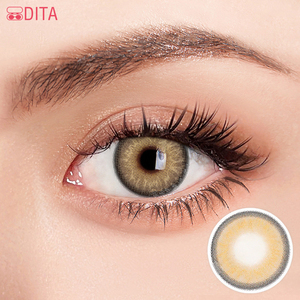
OEM Wholesale Contact Lenses | All Parameters Available | Low MOQ for New Brands
Get a Quote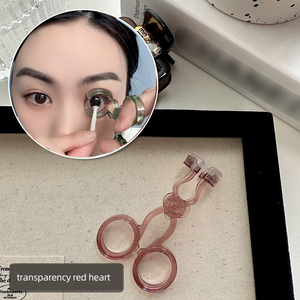
Free Private Label Transparent Eyes Contact Lenses Applicator Tool Circle Lens Applicators with Silicone Teeth Strip
Get a Quote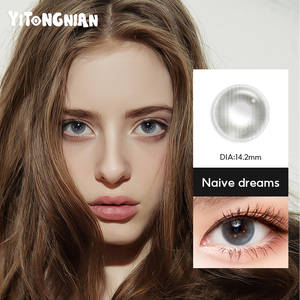
YITONGNIAN 14.2mm Hema Soft Colored Contacts Prescription Contact Lenses Wholesale Natural Lady Eye Lens Hybrid Design
Get a Quote
Magister Queen Most Natural Color Contact Lenses Cosmetic Colored Contacts Eye Colored Contact Lens Pupilentes
Get a Quote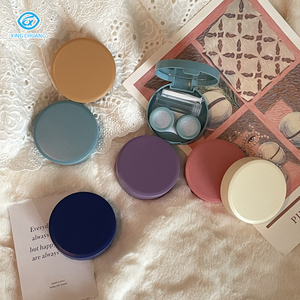
Factory Wholesale Contact Lens Packaging Support Customized Colorful Contact Lens Box Simple Containers for Contact
Get a Quote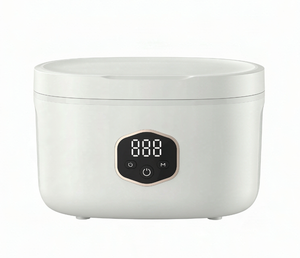
Coating-safe / Non-abrasive 600mL Large-capacity Home Ultrasonic Cleaner for baby bottle accessory eyeglass lens cleaning
Get a Quote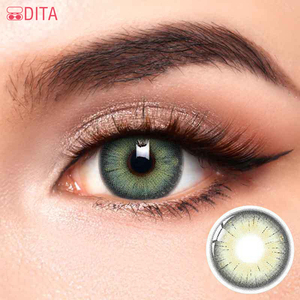
High-oxygen Breathable Silicone Hydrogel Transparent Prescription Contact Lenses Disposable Soft Contact Lenses for Myopia
Get a Quote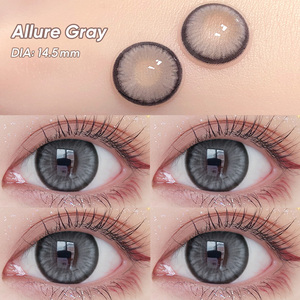
Hot Magister Lenses Contact Prescription Contact Lenses Confortable Lenses Eye Contact Best Seller Eye Lens Lentes De Contato
Get a QuoteNavigating the Global Contact Lens Supply Chain: China Sourcing & Manufacturing Excellence
An authoritative evaluation of material science, biocompatibility standards, regulatory pathways, and private label execution for global medical optical buyers.
The global contact lens market is undergoing a structural transformation driven by rising demand for cosmetic lens enhancement, higher ocular health awareness, and rapid advances in material polymer chemistry. As international optical distributors, optical chains, e-commerce brand aggregators, and healthcare procurement entities seek reliable manufacturing partners, China has emerged as a premier manufacturing hub. Combining advanced Class 100,000 cleanroom robotics with rigorous quality management systems under ISO 13485, leading Chinese contact lens manufacturers deliver Class III medical device optical solutions with unmatched cost-efficiency and technical agility.
Information Gain Insight: Selecting a contact lens OEM/ODM supplier requires evaluating three core parameters beyond price: Oxygen Permeability Transmissibility (Dk/t), Pigment Encapsulation Integrity (Sandwich Technology), and Regulatory Technical Documentation (510k, CE MDR, NMPA approval dossiers).
1. Enterprise Manufacturing Infrastructure & Regulatory Compliance Framework
Contact lenses are legally categorized as Class III Medical Devices across major regulatory jurisdictions, including the United States (US FDA 21 CFR Part 886), the European Union (EU MDR 2017/745 Class IIa/III), and China (NMPA Class III Medical Device Directives). Enterprise manufacturing requires an unyielding commitment to sterility, optical precision, and batch traceability.
ISO 13485 Certified QMS
Full lifecycle quality management ensures design control, cleanroom environment monitoring, raw material bio-burden verification, and systematic post-market surveillance (PMS).
Multi-Market Regulatory Access
Export-ready documentation suites including FDA Establishment Registration, CE Certificate under MDR, GMP compliance validation, and complete technical files for regional registration.
Automated Optical Quality Control
100% automated optical power inspection, edge profile analysis, and automated vision system color consistency checking to eliminate human inspection error.
Advanced Automated Cleanroom Manufacturing
BLMG Optical Ltd. operates state-of-the-art cleanrooms adhering to Class 100,000 (ISO Class 8) environment standards. High-precision injection molding, liquid monomer casting, automated thermal curing, and robotic primary blister packaging operate seamlessly under closed-loop sterile environmental controls.
By automating polymerization and demolding processes, physical dimension variations—such as Base Curve (BC) stability and Diameter (DIA) tolerances—are held within ±0.02mm, providing optimal centration and anatomical fitting comfort for end consumers worldwide.

2. Material Science: HEMA vs. Silicone Hydrogel Technical Comparison
Understanding polymer dynamics is critical for commercial catalog positioning. Soft contact lenses are broadly produced from Hydroxyethyl Methacrylate (HEMA) hydrogel materials or advanced Silicone Hydrogel formulations. Each polymer class offers distinct commercial advantages based on targeted wear cycles and retail price points.
| Material Parameter | Standard HEMA Hydrogel Lenses | High-Oxygen Silicone Hydrogel Lenses | Procurement & Strategic Positioning |
|---|---|---|---|
| Oxygen Transmissibility (Dk/t) | 15 – 25 Dk/t | 80 – 130 Dk/t | Silicone Hydrogel ideal for extended daily wear and premium therapeutic positioning. |
| Water Content Range | 38% – 58% | 38% – 45% | HEMA offers high initial cushion comfort; low-water silicone prevents end-of-day eye dehydration. |
| Modulus of Elasticity | 0.25 – 0.45 MPa (Ultra-soft) | 0.50 – 0.90 MPa (Structural stability) | HEMA offers zero feeling; Silicone hydrogel provides easier handling for first-time wearers. |
| Color Print Fidelity | Exceptional color absorption | Requires specialized ink surface treatment | HEMA is preferred for intricate, vibrant multi-tone cosmetic pupilente patterns. |
| Cost & Minimum Order Quantity | Cost-effective, Low MOQ starting at 100 pairs | Higher material investment, ideal for mainstream Rx scale | HEMA supports rapid trend testing; Silicone Hydrogel builds premium long-term brand equity. |
3. Safety Innovation: 3-Layer "Sandwich" Pigment Printing Technology
A primary concern for regulatory auditors and dermatological ophthalmologists regarding cosmetic color contact lenses is pigment migration. Substandard manufacturers apply color dye directly onto the lens surface, exposing the delicate corneal epithelium to abrasive chemical colorants.

Bio-Compatible Color Encapsulation
BLMG Optical utilizes micro-encapsulation 3-layer Sandwich Printing Technology. The color layer (organic, non-toxic cosmetic pigment) is locked completely between two transparent layers of HEMA or Silicone Hydrogel hydrogel polymer.
- Zero Eye-Contact Pigment: The color matrix never touches ocular tissue or tears directly.
- Smooth Surface Contour: Micro-pigments do not alter front lens curvature, ensuring smooth eyelid blink action.
- Color Fading Immunity: Autoclave heat sterilization (121°C) and enzymatic cleaning solutions cannot degrade or leach embedded color patterns.
4. Future Sourcing Trends: 2025–2030 Contact Lens Industry Insights
As an SEO Growth & Market Intelligence director, analyzing search intent data reveals significant shifts in global buyer preferences. Supply chain managers and optical brand founders must align their product development roadmaps with upcoming market trends:
1. Rise of Daily Disposable Optics
Consumer demand is rapidly shifting from annual and quarterly lenses toward daily disposables due to superior hygiene, convenience, and zero maintenance requirement. Suppliers offering automated high-volume blister packaging lead market growth.
2. Hybrid & Natural Iris Designs
Hyper-realistic, small-diameter pupil enhancement lenses (14.0mm - 14.2mm) featuring subtle outer limbal rings are outperforming intense full-coverage cosmetic blocks in European and North American retail channels.
3. Low MOQ Private Label Programs
E-commerce indie beauty brands require agile trial runs. Enterprise China suppliers like BLMG offering flexible 100-pair MOQ per style enable rapid market validation without excessive inventory risk.
5. Complete OEM/ODM Service Workflow: From Concept to Cargo
Partnering with an experienced China manufacturer streamlines your operational cycle. The structured 5-phase OEM/ODM workflow ensures seamless execution across design, prototyping, regulatory approval, and mass shipping:
Phase-by-Phase Execution Roadmap
- Technical Consultation & Briefing: Definition of target market regulations, optical power ranges (-0.00 to -10.00D), wear cycle (1-Day, 1-Month, 1-Year), and base curve parameters.
- Pattern Artwork Selection or Customization: Select from 500+ production-ready ODM patterns or submit custom artwork for raster alignment and color separation.
- Sample Prototype Validation: Physical sampling for visual color density inspection, fit testing, and power confirmation.
- Sterile Mass Production: Automated casting, hydration, primary foil blister sealing, and 121°C high-pressure steam sterilization.
- Custom Packaging & Export Logistics: Artwork box print run, barcode assignment, batch sticker application, Certificate of Analysis (CoA) generation, and customs release.

6. Frequently Asked Questions (FAQ) for B2B Procurement
Direct technical responses addressing common procurement, regulatory, and production queries from global importers and brand managers.
What is the minimum order quantity (MOQ) for private label custom contact lenses?
What is the fundamental difference between OEM and ODM contact lens manufacturing?
OEM (Original Equipment Manufacturing): We manufacture custom lenses specifically according to your unique pattern artwork, precise color specs, diameter (DIA), base curve (BC), or material formulation along with fully bespoke primary blister packaging and custom retail boxes.
Which certificates are provided to support registration in the US, EU, and LATAM markets?
How does the factory ensure color safety and pigment non-toxicity?
What are the typical lead times for sample approval and mass production orders?
Partner with China's Premier Contact Lens Manufacturer
Elevate your optical brand with ISO 13485 certified quality, 500+ validated ODM designs, and low MOQ private label production. Connect with our engineering and regulatory team today.
Get a Quote