Precision Engineered Contact Lenses & Optical Accessories
Explore our flagship OEM/ODM colored lenses, toric astigmatism series, photochromic materials, and private label lens care kits.
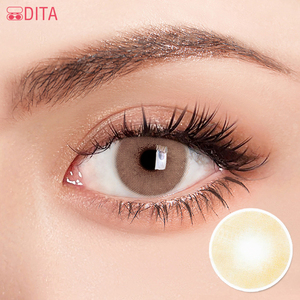
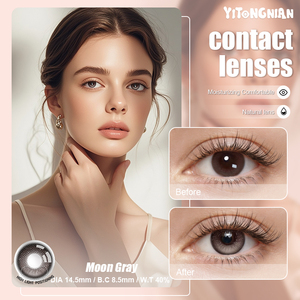
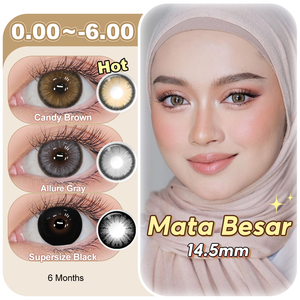
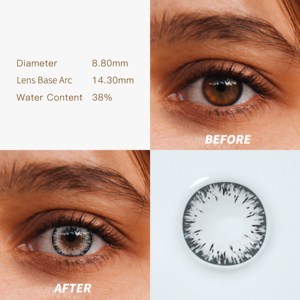
China's Premier Factory for OEM, ODM & Colored Toric Innovation
BLMG Optical Ltd. operates state-of-the-art Class 100,000 cleanroom manufacturing facilities, combining medical-grade polymer chemistry with high-precision optical axis stabilization for astigmatism correction.
Full-Chain OEM/ODM Flexibility
Over 500+ production-ready cosmetic patterns alongside custom pattern rasterization. Flexible small-batch OEM starting from 100 pairs per design lets startups test new lines with zero inventory strain.
Advanced Toric Stabilization
Proprietary Prism Ballast and Accelerated Stabilization Design (ASD) eliminate lens rotation on astigmatic eyes. Guarantees rotational drift ≤ 5° for crisp visual acuity and perfect color alignment.
Triple Safety Sandwich Printing
Bio-compatible pigments are double-encapsulated between micro-thin protective hydrogel layers. Color pigments never contact corneal or conjunctival tissue, ensuring 100% ocular safety.
China Top Colored Toric Lenses Factories: Comprehensive B2B Sourcing Analysis
The global color contact lens market is undergoing a seismic shift. Modern optical consumers no longer accept choosing between aesthetic expression and refractive precision. As over 30% of vision correction patients present with corneal astigmatism, international brand owners are increasingly seeking reliable China top colored toric lenses factories capable of manufacturing Class III medical device-grade toric cosmetic contact lenses.
BLMG Optical Ltd. stands at the forefront of this manufacturing evolution. By combining high-speed automated dual-sided cast molding, microscopic color alignment, and proprietary dynamic stabilization technologies, our production plant provides full-scale OEM, ODM, and private label support for distributors, specialty e-commerce brands, and optical chains worldwide.
Technical Material Matrix: Hydrogel vs. Silicone Hydrogel Toric Lenses
Selecting the optimal polymer chemistry determines not only wearer comfort and tear exchange rate, but also regulatory approval pathways in destination markets such as the United States (FDA 510k), the European Union (CE MDR 2017/745), and South Korea (MFDS). Below is a technical comparison of lens materials produced in our factory lines:
| Polymer Class | Oxygen Permeability (Dk/t) | Water Content (%) | Toric Stabilization Mechanism | Primary Target Market |
|---|---|---|---|---|
| Standard HEMA Hydrogel | 20 - 28 Dk/t | 38% - 55% | Prism Ballast (Gravitational Stabilization) | Daily / Monthly Fashion & Beauty Retail |
| Silicone Hydrogel (SiHy) | 80 - 120 Dk/t | 40% - 48% | Accelerated Stabilization Design (ASD) | Premium Rx Optical Stores & Extended Wear |
| MPC Hydrophilic Hybrid | 35 - 50 Dk/t | 58% - 62% | Peri-Ballast + Dynamic Symmetrical Edge | Sensitive Ocular Surface / Dry-Eye Patients |
Rotational Stability Mechanics in Colored Toric Manufacturing
The primary challenge in manufacturing colored contact lenses for astigmatism lies in rotational stability. When an astigmatic wearer blinks, horizontal eye lid movement exerts shear stress on the lens surface. If a colored toric lens rotates even 10 degrees off its cylinder axis, visual acuity drops by over 30%, while highlight cosmetic patterns (such as water glow iris highlights or asymmetric graphic rings) become noticeably misaligned.
BLMG Optical addresses this technical bottleneck using three proprietary engineering solutions:
- Dual Dynamic Stabilization (DDS): Thins the upper and lower zones of the lens body so the upper eyelid holds the lens smoothly in place while blinking, maintaining the cylinder axis at the precise angle (0° to 180° in 10° increments).
- Laser-Guided Graphic Alignment: During the sandwich color printing phase, our automated vision systems align the cosmetic iris print relative to the toric ballast axis, ensuring the graphic highlight always sits perfectly at the intended visual meridian.
- Micro-Cast Mold Precision: Optical molds engineered with single-digit micron tolerances prevent perimeter thickness variations that induce unwanted lens rotation.
Future Procurement & Product Development Trends
Strategic insights for optical buyers and brand managers planning their product roadmap for 2026 and beyond.
1. Dominance of Daily Disposable Toric Colored Lenses
Global procurement data reveals a rapid transition from yearly and quarterly replaceables toward 1-Day daily disposable colored toric lenses. High-moisture daily disposables eliminate cleaning compliance issues while maximizing lifetime customer value through recurring subscription models.
2. Hyper-Natural Asymmetric Iris Aesthetics
Uniform limbal ring prints are giving way to multi-tonal, asymmetric light-reflection designs. Advanced 3-tone and 4-tone printing technologies mimic natural human iris depth, incorporating light-catch highlights that remain visually captivating regardless of natural eye color background.
3. Ultra-Low MOQ Small Batch OEM Expansion
Traditional factory requirements of 10,000 pairs per SKU are being replaced by agile manufacturing models. Our Small Batch OEM framework allows boutique labels to launch full cylinder/axis ranges starting from just 100 pairs per design, minimizing upfront risk.
Quality Assurance & Compliance Audit SOP for Importers
Sourcing contact lenses as Class III medical devices requires rigorous supplier qualification. Overseas buyers must verify that their chosen China colored contact lens factory strictly adheres to international medical device quality standards.
- Quality Management System: Verification of ISO 13485:2016 certification and annual audit trail records.
- Cleanroom Environment: Class 100,000 airborne particle counting, positive air pressure controls, and automated microbiology monitoring.
- Optical Parameter Validation: Automated optical bench testing verifying Sphere (PWR), Cylinder (CYL), Axis (AXIS), Base Curve (BC), and Diameter (DIA).
- Biocompatibility Testing: Cytotoxicity, ocular irritation, systemic toxicity, and extractable residue testing conducted in accordance with ISO 10993 standards.
Colored Contact Lenses Procurement FAQ
Essential answers for brand managers, optical importers, and procurement leads sourcing from China factories.