Featured Export Products & Care Kits
Precision-engineered optical lenses, ultrasonic cleaners, and FDA/CE compliant companion storage solutions manufactured for international distributors.
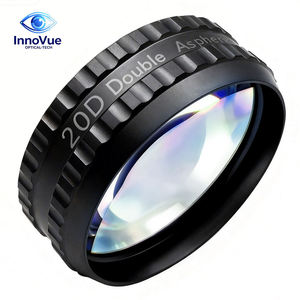
InnoVue Opto 20D Ophthalmic Fundus Contact Lens CE ISO Certified with 1 Year Warranty OEM Customization for Hospital Use
Send an Inquiry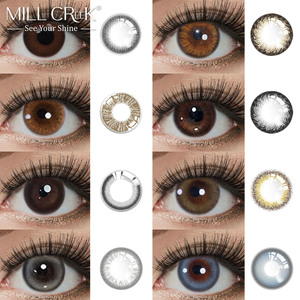
MILLCREEK Contact Lenses Prescription Korean Toric Astigmatism With Power Fixed-Axis Colored Natural HEMA Wholesale OEM
Send an Inquiry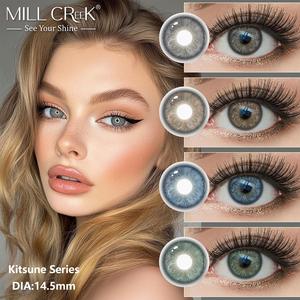
MILLCREEK Eye Contact Lenses Color Colored Contacts Wholesale OEM Private-Label HEMA 14.5mm Circle Bulk Luminous Beauty
Send an Inquiry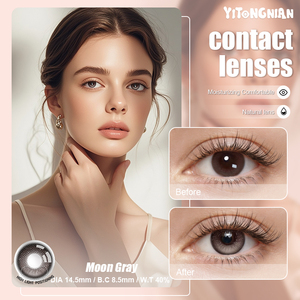
YITONGNIAN OEM Fixed-Axis Highlight Colored Contact Lenses Rotationally Stable Water Glow Circle Lenses
Send an Inquiry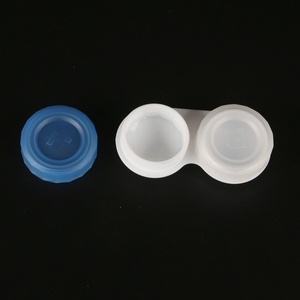
Wholesale Custom New PP-02 Plastic Contact Lens Companion Double Box Simple Korean Style Blue White Color Contact Lenses
Send an Inquiry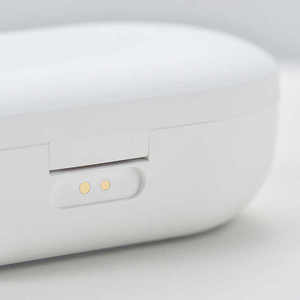
Eaclean Daily Outdoor Contact Lens Travel Cleaner Washer Portable Mirror Tweezers Remover Tool Ultrasonic Contact Cleaner
Send an Inquiry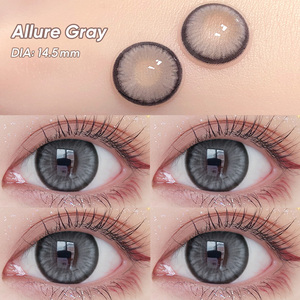
Hot Magister Lenses Contact Prescription Contact Lenses Confortable Lenses Eye Contact Best Seller Eye Lens Lentes De Contato
Send an Inquiry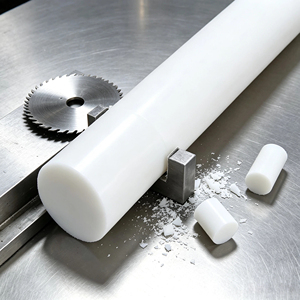
Food grade PP Polypropylene Rod Compliant FDA NSF ANSI 51 Food Contact Standard
Send an Inquiry1. Executive Overview: China's Role in Global Optical Supply Chains
The global market for contact lenses, cosmetic eye enhancement optics, and auxiliary companion kits is undergoing a profound structural evolution. Modern procurement teams, optical brand directors, and healthcare distributors no longer search merely for low-cost contract manufacturing; they demand integrated, end-to-end supply chain ecosystems that balance bio-compatibility compliance, strict regulatory oversight, precise color encapsulation, and agile order fulfillment. As a premier hub for vision care technology, China has consolidated its position as a top-tier exporter of Class III medical devices and high-precision contact lens accessories.
Leading manufacturers like BLMG Optical Ltd. have redefined international contract production by operating fully automated, Class 100,000 cleanroom environments certified under ISO 13485:2016 standards. By combining automated lathe-cutting, double-sided cast-molding, and proprietary multi-tone sandwich printing techniques, Chinese exporters now supply top-performing aesthetic and corrective lenses across North America, the European Union, Southeast Asia, and the Middle East. Whether sourcing high-Dk silicone hydrogel daily disposables or medical-grade polypropylene (PP) travel companion storage cases, B2B importers benefit from unparalleled economies of scale matched with stringent quality control.
2. Enterprise Manufacturing Advantage & Technical Competence
Establishing a resilient optical brand requires partner factories equipped with proven engineering capabilities and verifiable credentialing. BLMG Optical Ltd. bridges the gap between creative visual designs and compliance-grade manufacturing. Below are the key pillars that define our OEM/ODM infrastructure:
Sandwich Color Pigmentation
Our micro-encapsulation technology seals color pigments between hydrogel polymer layers, preventing direct iris contact, maintaining smooth surface wetting, and ensuring zero color leaching.
Certified Medical Class III
Cleanroom manufacturing executed strictly in accordance with NMPA Class III, US FDA 510(k) structural guidelines, CE MDR Mark protocols, and ISO 13485 quality management systems.
Agile Small-Batch OEM
Empower boutique vision brands and e-commerce startups with low minimum order quantities (starting from 100 pairs per style), minimizing upfront capital exposure.
3. Key Technology Trends Shaping Contact Lens Manufacturing
As user preferences shift toward long-wear comfort, visual clarity, and flawless hygiene, Chinese optical manufacturers are investing heavily in advanced material chemistry and automated companion kit manufacturing. Sourcing directors must align their product roadmaps with the following four technological vectors:
A. Next-Generation Polymer Chemistry: Hydrogel vs. Silicone Hydrogel
Traditional HEMA (Hydroxyethyl Methacrylate) hydrogels remain the gold standard for daily cosmetic lenses due to their softness, high water content (38% to 58%), and vibrant color acceptance. However, market demand for extended wear is driving rapid adoption of Silicone Hydrogel (SiHy) polymers. SiHy materials deliver significantly higher oxygen transmissibility ($Dk/t$ values exceeding 100), reducing corneal hypoxia risks and enabling all-day wearability without ocular fatigue.
B. Rotational Stabilization for Astigmatism (Toric Color Optics)
Historically, cosmetic contact lenses were restricted to spherical correction. Modern Chinese exporters have pioneered precision-engineered Fixed-Axis Toric Lenses (such as the MILLCREEK Toric Series). Utilizing prism-ballast and dynamic thin-zone geometries, these lenses maintain precise rotational stability on the cornea, guaranteeing that both cylinder power correction and asymmetric cosmetic patterns remain perfectly oriented during blinking.
C. Ultrasonic Care Automation & Travel Companions
Contact lens care kits have evolved far beyond basic plastic cases. Modern companion kits incorporate 46,000Hz Ultrasonic Cleaning Transducers (e.g., Eaclean Series). High-frequency sound waves generate micro-cavitation bubbles in multi-purpose lens solution, stripping away protein deposits, lipids, and air contaminants without tearing delicate hydrogel edges. Furthermore, companion kit housings utilize medical-grade FDA-compliant Polypropylene (PP), certified under NSF/ANSI 51 food-contact standards to eliminate chemical leaching and bacterial buildup.
4. Technical Specifications & Material Comparison Matrix
To assist procurement officers, compliance directors, and brand buyers in making informed choices, the table below outlines technical parameters across primary export categories:
| Product Category | Core Material | Water Content / Dk/t | Replacement Cycle | Target Regulatory Standards | Primary B2B Application |
|---|---|---|---|---|---|
| Natural Cosmetic Lenses | HEMA / NVP Copolymer | 40% - 55% / 15-25 Dk/t | Daily / Monthly / Yearly | FDA 510(k), CE MDR, ISO 13485 | Beauty Retail, E-Commerce Brands |
| Prescription Toric Lenses | HEMA + Prism Ballast | 42% / 20-30 Dk/t | Monthly / Annual | NMPA Class III, CE, ISO 13485 | Optical Stores, Eyecare Clinics |
| Special FX / Sclera Lenses | Hydrogel Lathe-Cut | 38% / 12-18 Dk/t | Quarterly / Yearly | CE Mark, FDA Registration | Theatrical, Cosplay, Halloween |
| Ultrasonic Cleaner Kits | ABS + Medical PP + Steel | N/A (46kHz Frequency) | Rechargeable (3+ Yrs) | CE, FCC, RoHS, FDA PP Standard | Travel Kits, Retail Accessories |
| Companion Cases (PP-02) | Food-Grade Polypropylene | N/A (BPA Free) | 3 Months Usage | FDA NSF/ANSI 51, REACH | Brand Merchandising, Cross-Sell |
| Ophthalmic 20D Fundus Lens | Optical Glass / Multi-Coat | High Transmittance | Permanent Instrument | CE ISO Certified, Hospital Standard | Ophthalmology Clinics, Surgery |
5. Strategic Sourcing & Procurement Trends for International Buyers
Navigating international optical supply chains requires foresight into regulatory trajectories and consumer purchasing habits. B2B buyers evaluating Chinese contact lens manufacturers should structure their sourcing contracts around three critical trends:
1. Low-MOQ Brand Prototyping
D2C optical brands are leveraging Small-Batch OEM routes (100–500 pairs per SKU) to execute rapid micro-testing on social media before placing high-volume production orders.
2. Turnkey Private Labeling
Factories now offer integrated service suites: artwork creation, custom blister sealing, retail box printing, barcode serialization, and door-to-door international logistics.
3. Sustainable Material Focus
Broader adoption of recyclable, BPA-free PP materials in companion cases and bio-degradable secondary packaging aligns brands with Western eco-mandates.
6. Frequently Asked Questions (FAQ) for B2B Importers
Clear, authoritative answers to essential regulatory, custom manufacturing, and logistics inquiries.
Through our Small Batch OEM framework, MOQs start as low as 100 pairs per design for catalog ODM patterns. For fully custom pattern development or proprietary color combinations, standard MOQs range from 500 to 1,000 pairs depending on power range and replacement schedule.
ODM (Original Design Manufacturing) allows buyers to select from our library of 500+ pre-approved, factory-validated patterns and immediately apply private label packaging. OEM (Original Equipment Manufacturing) involves creating unique physical lenses based on client artwork, custom diameters, base curves, or specific toric power axes.
Our partner production lines maintain ISO 13485:2016 quality management system compliance. Depending on product selection, we provide complete technical files supporting CE Marking (under EU Medical Device Regulation), US FDA device registrations, NMPA Class III approvals, and FDA/NSF compliance certificates for plastic companion accessories.
Unlike cheap surface-printed lenses where color dyes directly touch the cornea, sandwich printing embeds color pigments inside an inner hydrogel matrix layer. This guarantees smooth surface wettability, prevents pigment migration, and reduces corneal friction, guaranteeing optimal ocular health.
Polypropylene (PP) complying with FDA NSF/ANSI 51 food-contact standards contains zero Bisphenol A (BPA) or plasticizers. It resists chemical degradation from saline solutions, prevents bacterial adhesion, and tolerates heat disinfection without warping or leaching toxins.
Sampling for existing ODM patterns takes 3 to 7 business days. Custom OEM color development and packaging prototyping take 15 to 25 days. Mass production cycles typically run 30 to 45 days after final sample sign-off and artwork confirmation.
Partner with China's Premier Contact Lens & Kit Manufacturer
Launch your custom cosmetic lens line, source FDA/CE compliant travel kits, or request factory-direct wholesale pricing today. Our optical engineers and export compliance specialists are ready to support your project.
Send an Inquiry