Featured Medical & Cosmetic Contact Lenses
Explore our flagship OEM & ODM contact lens solutions, engineered with advanced micro-encapsulation, high oxygen permeability, and precision optics for global distribution.
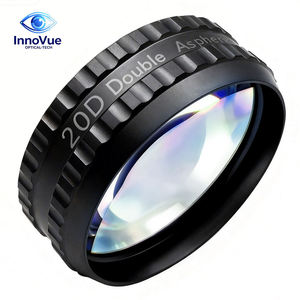
InnoVue Opto 20D Ophthalmic Fundus Contact Lens
Conant Spheric & Aspheric Optical Resin Contact Lens
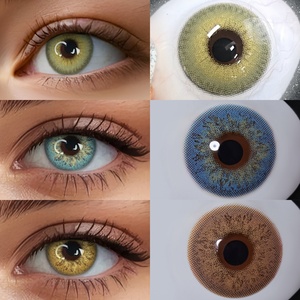
Lalens Korea Yearly Medical Colored Softlens
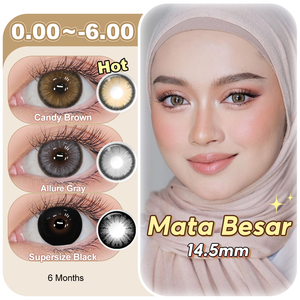
Prescription Myopia Medical Color Contact Lens (Pupilentes)
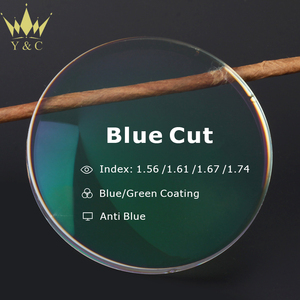
Blue Light Block Cut Medical Soft Contact Lens Solution 2C
Silicone Hydrogel Luxury Colored Contact Lens
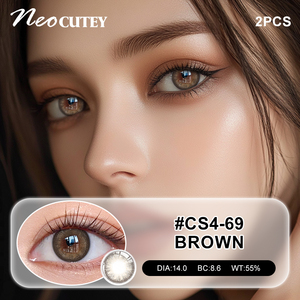
Wholesale HEMA Soft Cosmetic Medical Power Contact Lens
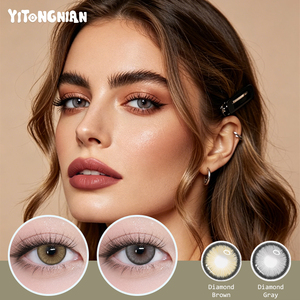
YITONGNIAN Korean Style Softlens Prescription Colored Contact Lens
Why Global Brands Partner with BLMG Optical Ltd.
With vertical integration across R&D, optical engineering, cleanroom manufacturing, and private-label design, we minimize supply chain risks for international importers and brand owners.
Full Regulatory Compliance
Our production facilities operate under strict ISO 13485 Quality Management Systems. We assist global clients with CE MDR certificates, FDA registration data, NMPA Class III approvals, and complete technical master files (STED).
Micro-Sandwich Color Tech
Pigment layers are completely encapsulated between hydrogel polymer matrices. Color pigments never come into direct contact with the cornea, ensuring absolute ocular safety, zero pigment leaching, and long-lasting wearer comfort.
Small Batch Agility (MOQ 100 Pairs)
Test new fashion markets, influencer collaborations, or specialized Rx collections with minimal financial risk. Our Small Batch OEM framework allows custom packaging and low order minimums starting at just 100 pairs per design.
Silicone Hydrogel Innovation
Leveraging third-generation Silicone Hydrogel polymers, our lenses deliver up to 5x higher oxygen transmissibility (Dk/t) compared to conventional HEMA lenses, supporting corneal health and all-day hydration.
Turnkey OEM / ODM Packaging
From custom blister foil sealing and multi-pack folding boxes to customized storage cases, solution bottles, and artwork design—we deliver retail-ready products customized for your target distribution channels.
Global Logistics & Export Mastery
Shipping to over 80 countries with full customs documentation, certificate of free sale (CFS), certificate of origin (CO), and temperature-controlled freight logistics for high-sensitivity medical supplies.
Industry Whitepaper: The Evolution of Medical & Cosmetic Contact Lens Manufacturing
The global market for soft contact lenses, encompassing corrective vision devices, specialized diagnostic optics, and aesthetic colored lenses, has entered a period of rapid technological synthesis. Modern contact lenses are no longer simple optical refractors or basic aesthetic accessories; they are high-precision Class III medical devices requiring rigorous polymer chemistry, surface wettability engineering, micro-fluidic oxygen channels, and biocompatible manufacturing standards. For international procurement managers, brand creators, and hospital supply distributors, navigating OEM/ODM partnerships requires a technical understanding of material performance, optical physics, and regulatory compliance.
Core Procurement Insight: Sourcing high-margin contact lenses requires balancing three essential factors: Oxygen Transmissibility (Dk/t), Water Retention Equilibrium (to prevent dry-eye symptoms), and Micro-encapsulated Color Safety (preventing direct pigment-cornea interface).
1. Materials Science: HEMA Hydrogel vs. Silicone Hydrogel (SiHy)
In standard contact lens manufacturing, Poly-2-hydroxyethyl methacrylate (Poly-HEMA) has long served as the foundational polymer due to its excellent flexibility, soft tactile feeling, and ease of tinting. However, conventional HEMA materials rely entirely on water content to transport oxygen through the lens to the cornea. Higher water content in HEMA lenses can paradoxical increase dehydration over long wearing hours as environmental dry air draws moisture back out of the lens material.
To overcome these optical physiological limitations, advanced OEM manufacturers have shifted toward Silicone Hydrogel (SiHy) matrices. Silicone hydrogels incorporate siloxane polymers, creating structural oxygen channels that allow oxygen molecules to pass directly through the material independently of water volume. The table below illustrates the critical performance metrics between material formulations engineered in our manufacturing facility:
| Technical Parameter | Standard Poly-HEMA | Enhanced HEMA-NVP | 3rd Gen Silicone Hydrogel |
|---|---|---|---|
| Oxygen Permeability (Dk/t) | 15 - 25 Dk/t | 28 - 38 Dk/t | 100 - 145 Dk/t |
| Water Content Range | 38% - 42% | 50% - 58% | 40% - 45% (Sustained) |
| Dehydration Rate | Moderate | High in Dry Environments | Ultra-Low (< 1.5% over 12 hrs) |
| Modulus (Flexibility) | 0.3 - 0.4 MPa (Very Soft) | 0.35 MPa | 0.5 - 0.7 MPa (Structural Form) |
| Biocompatibility Profile | Standard Medical Grade | Enhanced Hydrophilic | Plasma-Surface Treated / Non-Ionic |
| Primary Application | Cosmetic & Standard Rx | Daily Disposable Comfort | Extended Wear & Premium Rx |
2. Precision Optics: Spheric vs. Aspheric Surface Geometry
Optical correction in soft contact lenses relies on meticulous lathe cutting or high-precision cast molding. Traditional spherical lens designs maintain a uniform curvature across the optical zone. While effective for simple spherical myopia (-0.50D to -6.00D), spherical lenses suffer from spherical aberration—a distortion caused by light rays passing through the lens periphery focusing at slightly different focal points than central rays.
Our OEM manufacturing line integrates Front-Surface Aspheric Optics. By subtly altering the curvature radius from the optical center toward the perimeter, aspheric geometry compensates for natural eye aberrations. This results in sharper contrast sensitivity, reduced visual halos in low-light environments, and clearer vision across the entire refractive power range (-0.50D up to -10.00D high myopia).
3. Specialized Ophthalmic Lenses: 20D Fundus Diagnostic Optics
Beyond consumer cosmetic and prescription lenses, specialized hospital supply chains demand high-magnification ophthalmic examination optics, such as the InnoVue Opto 20D Ophthalmic Fundus Lens. Designed for binocular indirect ophthalmoscopy (BIO), these diagnostic lenses require computer-optimized double aspheric glass optical elements. They provide a high-resolution, wide-field digital view of the ocular fundus, retina, optic nerve head, and retinal vasculature. OEM customization for hospital diagnostic equipment includes anti-reflective (AR) multi-coatings, specialized laser-treatment coatings, and custom ergonomic aluminum alloy housing rims.
Future Sourcing Trends for 2025–2030
Anticipating regulatory shifts, technological evolutions, and buyer preferences in global medical and cosmetic contact lens procurement.
Dominance of Daily Disposables
Global consumer demand is rapidly shifting from monthly and yearly replacement schedules toward daily disposable blister packs. Driven by hygiene awareness, daily disposable lenses eliminate cleaning solution maintenance, reduce bacterial keratitis risks, and offer procurement buyers continuous re-order revenue models.
HEV Blue Light & UV Protection
With increasing screen exposure times globally, medical lens purchasers are requiring integrated High-Energy Visible (HEV) blue light block filters and UV400 absorption monomers directly polymerized within the lens material matrix without altering color accuracy or visual clarity.
Sustainable & Recyclable Packaging
Environmental compliance is becoming mandatory in the EU and North American markets. Forward-thinking OEM producers are adopting ultra-thin PP blister foils, 100% biodegradable outer boxes, and water-conserving production cleanrooms to meet corporate ESG criteria.
Frequently Asked Procurement Questions
Detailed answers regarding OEM capabilities, regulatory filings, minimum order quantities, and custom private label production.
What is the difference between OEM and ODM contact lens manufacturing services? +
ODM (Original Design Manufacturing): Allows you to select from our pre-existing, production-validated library of over 500+ iris patterns, base curves, and color combinations. Lenses are produced immediately under your private brand logo and packaging, providing the fastest timeline to market.
OEM (Original Equipment Manufacturing): Involves custom product creation according to your proprietary specifications. This includes developing exclusive color pattern artwork, custom graphic diameters (GDIA), proprietary base curves (BC), specific water content ratios, or specialized material blends like third-generation silicone hydrogel.
What minimum order quantities (MOQs) apply for private label cosmetic and medical lenses? +
To support emerging optical brands, e-commerce retailers, and boutique distributors, BLMG Optical Ltd. offers a flexible Small Batch OEM program starting at just 100 pairs per design for selected stock patterns. For custom-designed OEM print patterns, specific power ranges, or custom blister box packaging, standard production MOQs range from 500 to 1,000 pairs per SKU to optimize unit manufacturing costs.
Which international medical device certifications support your export products? +
All contact lenses manufactured by BLMG Optical Ltd. are produced as Class III medical devices under certified ISO 13485 Quality Management Systems. Our products carry CE marking under European Medical Device Regulations (MDR), US FDA device registrations, NMPA (China) approval, and GMP manufacturing compliance certificates. We provide complete technical files (STED), bio-compatibility test reports (ISO 10993), stability data, and Certificates of Free Sale (CFS) for smooth customs clearance.
How does sandwich printing technology ensure color contact lens safety? +
Safety is the primary non-negotiable metric for cosmetic lenses. Our advanced Double Sandwich Encapsulated Micro-Printing Technology embeds non-toxic organic color pigments securely inside the inner layers of the hydrogel or silicone hydrogel material. This ensures that pigments never touch corneal tissue directly or erode due to tear fluids, guaranteeing 100% ocular safety and comfortable long-term wear.
What is the standard production and sampling turnaround time for OEM orders? +
For standard ODM orders using existing stock patterns and standard packaging, production and private labelling typically require 7 to 15 business days. Custom OEM projects—including artwork proofing, sample molding, physical sample delivery, and custom blister box printing—generally take 3 to 5 weeks depending on custom optical specifications and order volume.
Can you supply customized prescription power ranges for colored contact lenses? +
Yes. We manufacture both Plano (0.00 non-prescription) fashion lenses and full Corrective Myopia Prescription Lenses ranging from -0.50D to -6.00D (in 0.25D steps) and -6.50D to -10.00D (in 0.50D steps). Toric lens capabilities for astigmatism correction are also available upon specialized technical request.
Partner with a Certified OEM Contact Lens Factory
Whether you are expanding an established optical chain, launching an e-commerce beauty brand, or sourcing specialized hospital diagnostic lenses, our engineering team is ready to assist your procurement process.