Featured OEM/ODM Soft Contact Lenses & Optical Washer Accessories
Explore our scalable OEM/ODM product portfolio—ranging from glass vial cosmetic lenses to automated ultrasonic cleaning devices and medical prescription optics.
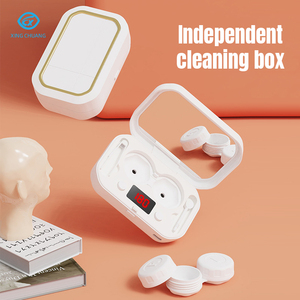
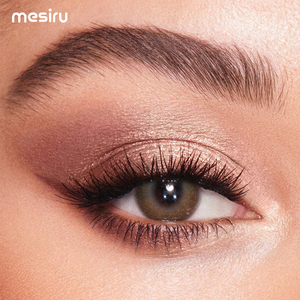
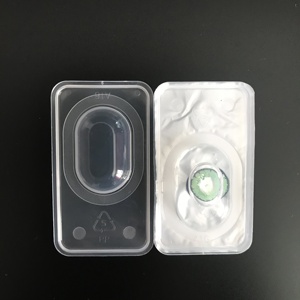
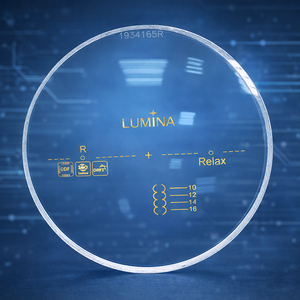
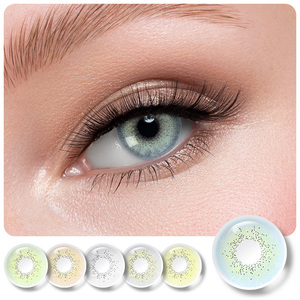
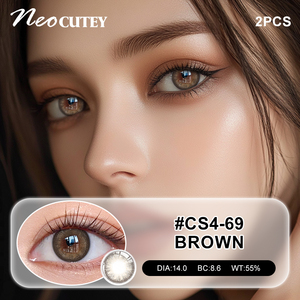
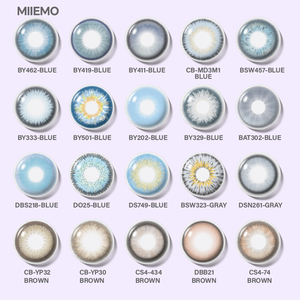
BLMG Optical Ltd: Industrial-Scale OEM/ODM Engineering Infrastructure
As a dedicated Class III medical device manufacturer, BLMG Optical Ltd combines automated cast-molding precision with an extensive library of over 500 validated patterns to accelerate global optical brand expansion.

-
Full Medical Regulatory Dossier Support
We provide full technical dossier packages including ISO 13485, CE Marking, FDA 510(k) supporting data, and NMPA registration credentials to facilitate rapid international customs clearance.
-
Micro-Encapsulation & Bio-Safe Sandwich Tech
Our proprietary color-locking technology seals pigments safely between polymer hydrogel layers (HEMA/Silicone Hydrogel), guaranteeing zero pigment contact with ocular tissue.
-
Agile Small-Batch OEM to Mass Scale Production
From flexible trial runs starting at 100 pairs per design to automated multi-million-piece monthly production runs, our scalable lines adapt seamlessly to your inventory velocity.
Comparative Analysis: Glass Vial Packaging vs. PP Blister Packs in OEM Sourcing
Understanding structural container integrity, thermal autoclave resistance, and shelf-life preservation parameters when selecting contact lens primary packaging.
For optical procurement managers, brand directors, and healthcare distributors, choosing between medical-grade glass vial packaging and polypropylene (PP) blister packs is a strategic decision that affects shelf stability, regulatory filing, and target retail positioning. Glass vial packaging remains the industry benchmark for long-cycle (half-year, yearly, and specialized toric/cosplay) soft contact lenses due to its impermeable barrier properties and superior heat tolerance during terminal sterilization.
| Evaluation Parameter | Borosilicate Glass Vial Packaging | Polypropylene (PP) Blister Packaging |
|---|---|---|
| Sterilization Method | Moist Heat Autoclave (121°C for 30 min) with zero risk of container deformation. | Moist Heat Autoclave with strict temperature controls to avoid foil lid delamination. |
| Oxygen & Moisture Barrier | Near-zero gas permeability; maintains saline osmolality (290–310 mOsm/kg) for 5 years. | Slight moisture vapor transmission over extended storage (typical 1–3 year shelf life). |
| Primary Wear Cycles | Quarterly, Half-Yearly, and Yearly Disposables; Specialty Astigmatism & FX Lenses. | Daily Disposables, Bi-Weekly, and Monthly Replacement Lenses. |
| Optical Lens Protection | Rigid structural chamber protects delicate hydrogel & high-water polymers from compression. | Compact & lightweight; requires careful stacking to avoid foil puncture or stress. |
| Custom Private Label Branding | High-end cosmetic appeal; ideal for premium retail, luxury salons, and optical practices. | High packaging velocity; cost-efficient for high-volume consumer e-commerce. |
Technical Insight for Importers: Glass vial container closure integrity (CCI) tested under USP <1207> standards confirms zero micro-leakage during long-haul air shipping pressure drops. When sourcing OEM colored contact lenses for regions with extreme thermal fluctuations (e.g., Middle East, Southeast Asia), borosilicate glass vials mitigate saline evaporation risks, ensuring stable pH (7.2–7.4) and consistent lens hydrations upon unsealing.
Future Sourcing & Manufacturing Trends in Cosmetic Contact Lenses
Key material innovations, optical manufacturing automation, and consumer preference shifts shaping the next decade of contract lens manufacturing.
1. Shift Toward High-Dk Silicone Hydrogel (SiHy) Colors
Historically, cosmetic color lenses relied heavily on conventional HEMA polymers (water content 38%-42%, Dk ~8.5). Modern consumers now demand higher oxygen transmissibility to prevent corneal hypoxia during extended wear. OEM manufacturers are rapidly scaling Silicone Hydrogel color formulations (Dk/t > 50), combining high oxygen flux with soft modulus comfort.
2. Micro-encapsulation & Multi-Tone Patterning
3D digital inkjet printing combined with bio-compatible layer isolation allows 3-tone and 4-tone depth rendering that seamlessly blends natural eye irises with vivid highlight tones. This non-fade, zero-leach process fulfills strict FDA/CE bio-compatibility mandates (ISO 10993 cytotoxicity and ocular irritation testing).
3. High-Precision Lathe-Cut Toric Cosmetic Lenses
Astigmatic wearers represent nearly 25% of visual correction buyers. Modern OEM factories utilize computer-controlled nano-lathes to produce custom toric cosmetic lenses with back-surface ballast orientation. Brands can now offer astigmatism correction across full color pattern lines without rotational image dislocation.
4. Fully Automated Visual Inspection (AOI)
To maintain zero-defect standards in multi-million unit batches, leading contract manufacturers integrate high-speed AI machine vision inspection systems. Automated cameras verify edge smoothness, surface micro-tears, color printing alignment, and particulate contamination prior to high-pressure thermal sealing.
Certified Medical Device Operations & Verification
Soft contact lenses are designated as Class III Medical Devices in most major jurisdictions. Manufacturing integrity requires rigorous quality systems spanning raw monomer sourcing to post-market surveillance.
BLMG Optical Ltd operates under full ISO 13485:2016 certification. Every finished product lot undergoes batch release testing, including pyrogen detection, bio-burden assessment, refractive index validation, power accuracy testing (F'v), and physical parameter consistency checks (Base Curve & Diameter).


Frequently Asked Questions for Contact Lens Buyers
Addressing key operational, technical, and compliance queries for B2B optical sourcing managers and brand directors.
Ready to Build or Expand Your Private Label Contact Lens Brand?
Partner with BLMG Optical Ltd for certified medical device quality, 500+ proven cosmetic designs, low trial MOQs, and reliable global compliance support.