Curated OEM/ODM Product Catalog
High-demand cosmetic and prescription contact lens formulations manufactured under ISO 13485 quality standards for global private labels.
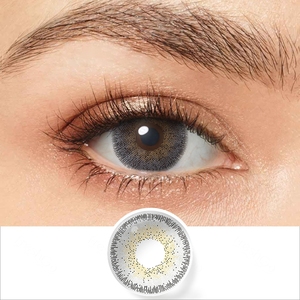
Freshgo Colored Contact Lenses Blended Eye Color
Get Catalog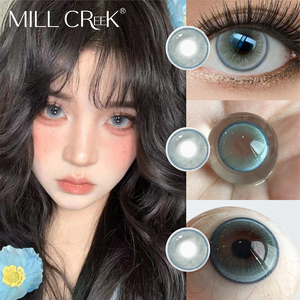
Haipurecon Soft Circle Cosmetic Color Lens 1 Year
Get Catalog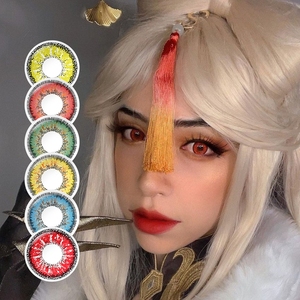
Pseyeche Halloween Crazy Lens Dolly Eye Cosplay
Get Catalog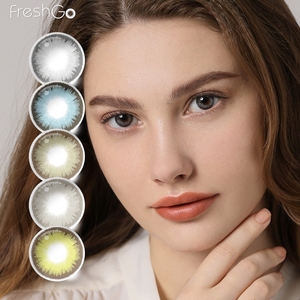
Freshgo Diamond Soft Eye Contact Lenses Gray Circle
Get Catalog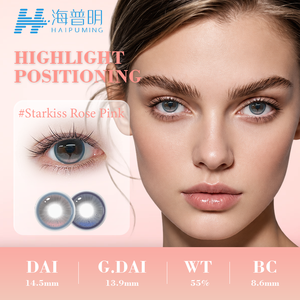
Daily Disposable Luminous Circle 14.5mm HEMA Lens
Get Catalog
Custom Spheric Soft Contact Daily Spherical Lens
Get Catalog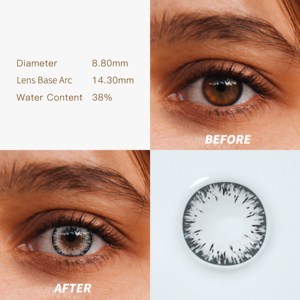
Fresh Natural Wholesale Soft Colored Circle Lenses
Get Catalog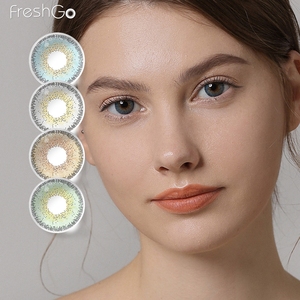
Freshgo Red Eye Color Contact Lenses Yearly Circle
Get CatalogExecutive Sourcing Summary: Manufacturing Standards for Cosmetic Lenses
The global cosmetic contact lens industry has evolved from a niche aesthetic trend into a highly regulated, high-growth sector within Class III medical devices. Procurement directors, brand managers, and optical distributors seeking to partner with a top 10 circle contact lenses factory must look beyond superficial pricing and evaluate manufacturing capability through four core pillars: Polymer Chemistry, Micro-Pigmentation Isolation, Regulatory Compliance, and Flexibility in Supply Chain Scaling.
Technical Advantage Matrix of BLMG Optical Ltd.
BLMG Optical Ltd. serves as a benchmark for modern optical manufacturing in Asia. By integrating R&D, pattern design, automated cast molding, and custom blister/vial packaging under a unified ISO 13485 quality framework, BLMG solves the primary operational friction for global buyers: high initial inventory investment paired with regulatory exposure.
- Biocompatible Polymer Formulations: Utilizing 2-HEMA, HEMA-MMA, and high Dk/t Silicone Hydrogel matrices to optimize oxygen transmissibility and surface wetting angles, significantly reducing dry-eye symptoms during extended wear.
- Flexible Micro-Batch OEM Program: Startups and specialty fashion brands can initiate private-label collections with minimum order quantities as low as 100 pairs per design, minimizing upfront risk.
- Turnkey Regulatory Support: Fully supported by FDA registration, CE marking, NMPA (CFDA) clearance, and GMP production audits, facilitating smooth customs clearance across North America, Europe, Southeast Asia, and the Middle East.
Evaluating the Top 10 Circle Contact Lenses Factories & Exporters
When conducting vendor qualification audits for international optical brands, technical sourcing teams categorize leading contact lens manufacturers based on geographic specialization, automation maturity, pattern innovation, and compliance agility. Below is a structural analysis of the global OEM/ODM manufacturing landscape.
| Manufacturing Hub | Primary Technical Specialization | Typical OEM MOQ | Regulatory Strengths | Best Fit for Buyers |
|---|---|---|---|---|
| BLMG Optical (China Hub) | Sandwich Micro-Pigmentation, 500+ Patterns, Silicone Hydrogel | 100 - 500 Pairs | FDA, CE, ISO 13485, NMPA, GMP | Global E-Commerce Brands, Fast-Fashion Brands, Enterprise Distributors |
| South Korea (Daegu Optical Cluster) | Natural Multi-Tone Aesthetic Designs, Cast Molding | 1,000 - 3,000 Pairs | KFDA, CE, ISO 13485 | K-Beauty Retailers, Premium Cosmetic Outlets |
| Taiwan Industrial Hubs | High Dk/t Daily Disposable Clear & Color Lenses | 5,000+ Pairs | US FDA 510(k), CE MDR, TFDA | Mass Market Pharmacy Chains, Optical Retail Franchises |
| Japan Specialty Mills | Ultra-Soft High Moisture Retention Lenses | 10,000+ Pairs | PMDA Approved | Domestic Japanese Brands, High-End Clinical Lines |
Key Factory Qualification Audit Criteria for B2B Importers
Before issuing a Purchase Order (PO) to an overseas supplier for cosmetic circle contact lenses, procurement officers must execute a thorough supplier evaluation protocol covering four technical dimensions:
1. Pigment Lock Security
Verify that the factory utilizes semi-automated double-sided cast molding where ink is embedded inside the lens matrix, preventing pigment leaching or abrasion.
2. Edge Geometry & BC
Insist on precision CNC lathes for mold tooling. Smooth, rounded edge profiles guarantee tears exchange under the lens, preserving corneal health.
3. Automated Optical QC
Top exporters deploy high-resolution Automated Optical Inspection (AOI) systems to check 100% of lenses for tears, bubbles, and pattern misalignments.
Future Product & Procurement Trends in Cosmetic Lenses (2026–2030)
As the international cosmetic lens market shifts toward daily disposability, enhanced eye comfort, and sustainable manufacturing, optical brand managers must align their product roadmaps with upcoming technological shifts.
1. Transition to High-Dk/t Silicone Hydrogel Formulations
While standard HEMA hydrogel remains popular for cost-sensitive markets, premium consumer segments are rapidly transitioning to Silicone Hydrogel (SiHy). Silicone hydrogel monomers increase oxygen permeability by up to 3x–5x compared to conventional hydrogels, preventing hypoxia-related redness and supporting all-day wearability. Exporters investing in advanced SiHy color technology will dominate North American and European growth channels.
2. Hyper-Realistic Biomimetic Pattern Printing
Modern consumers are moving away from flat, single-tone dolly contacts toward hyper-realistic, multi-layered biomimetic iris designs. Utilizing 3D and 4-tone micro-dot matrix printing, leading factories can replicate natural iris depth, subtle radial striations, and translucent limbal gradients that seamlessly blend with darker Asian or lighter Caucasian eyes.
3. Micro-Batch Supply Chains & On-Demand OEM Packaging
The rise of digital DTC (Direct-to-Consumer) optical brands requires factories to operate lean manufacturing models. Flexible production lines that accommodate rapid pattern changes, localized private-label blister foil printing, and low-MOQ runs enable brands to launch seasonal collections (e.g., Cosplay, Halloween, Festival collections) without carrying excessive inventory liabilities.
4. Eco-Conscious Blister Pack Materials & Biodegradable Vials
Environmental regulations in the EU and North America are prompting contact lens manufacturers to replace traditional foil-laminate blisters with recyclable mono-materials and light-weight polypropylene buffers, reducing plastic waste while preserving solution sterility throughout the 5-year shelf life.
Frequently Asked Questions: B2B Contact Lens Sourcing
Essential answers for brand managers, regulatory affairs specialists, and procurement heads.
OEM (Original Equipment Manufacturing): We manufacture lenses according to your custom pattern artwork, specific color pantones, diameter/base curve configurations, and physical sample specifications.
Monthly/Quarterly Disposables: Provide an optimal balance between consumer price point and retail margins.
Yearly Disposables: Offer maximum value for dramatic costume, theatrical, mini-sclera, and cosplay lines where usage is occasional.
Standard OEM Technical Specifications & Manufacturing Workflow
Below are the baseline technical specifications available across our contact lens production lines:
| Parameter | Standard Specification Range | Custom OEM Options |
|---|---|---|
| Base Curve (BC) | 8.5mm - 8.6mm (Standard fit) | 8.4mm - 8.8mm custom mold options |
| Overall Diameter (DIA) | 14.0mm - 14.5mm (Natural circle effect) | 14.0mm to 22.0mm (Mini & Full Sclera) |
| Water Content | 38% - 42% (Low dehydration hydrogel) | up to 58% for Daily disposable lines |
| Power Range (Diopters) | 0.00 (Plano / Cosmetic) to -8.00D | Custom Rx sphere, toric, and hyperopia powers |
| Material Polymer | HEMA / NVP / Poly-HEMA hydrogel | Silicone Hydrogel (High Oxygen Dk/t) |
| Sterilization Method | Autoclave Wet Steam Sterilization | Validated Cleanroom Steam Cycles |
5-Stage OEM/ODM Partner Onboarding Workflow
- Project Brief & Consultation: Define target demographics, prescription requirements, replacement cycle, and target market compliance paperwork.
- Pattern Selection & Sample Proofing: Choose from 500+ stock patterns or upload custom PSD/AI iris vector artwork for physical sample production.
- Packaging Design & Labeling: Receive master dielines for blister boxes, glass vials, instruction leaflets, and barcode labels compliant with local UDI requirements.
- Cleanroom Mass Production: Automated monomer injection, spin-casting/cast-molding, hydration, visual AOI inspection, and heat sterilization.
- Quality Certificate Issuance & Logistics: Final Certificate of Analysis (COA) issued, freight booking, customs documentation, and door-to-door export shipping.
Ready to Scale Your Cosmetic Lens Brand?
Request our complete 2026 Product Catalog, pattern swatch kit, and OEM price list. Speak directly with our optical engineering team today.