High-Performance Clear & Cosmetic Lens OEM Collections
Production-proven hydrogel and silicone hydrogel formulations available for custom private-label procurement with small batch flexibility.
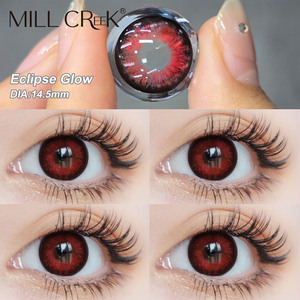
Haipurecon Hot Style Soft Contact Lenses Wholesale Natural HEMA Material Daily Wear High Quality Low MOQ
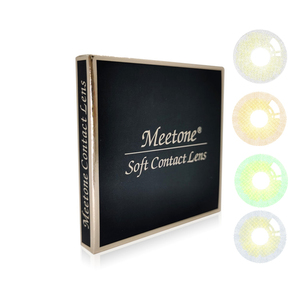
Private Label OEM Available Paper Packaging Wholesale Cosmetic Meetone Color Contact Lens with Box
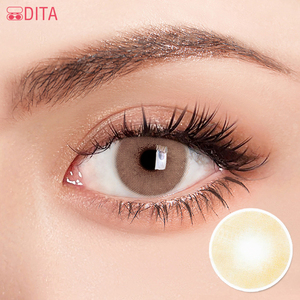
Prescription Daily Colored Contact Lenses - Moisture-Lock Disposable Lenses with Custom Power
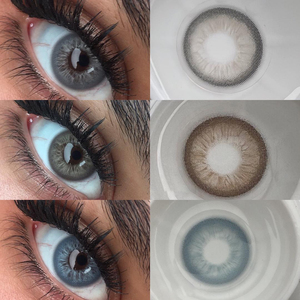
Natural Color Contact Lenses Unspoken Wholesale Prescription Power From Plano to 800 Soft Contacts Cosmetic Color Lens
High Precision CNC Machined Contact Pins | Custom Design | Stable Conductivity | OEM Available
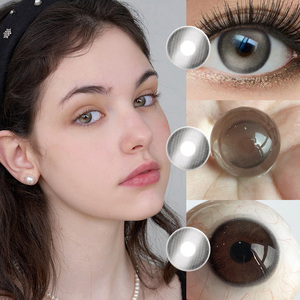
Haipurecon Promotion Fashion Eyes Color Contact Lenses Soft Contact Lens Color Circle Beauty Cosmetic Lenses Wholesale
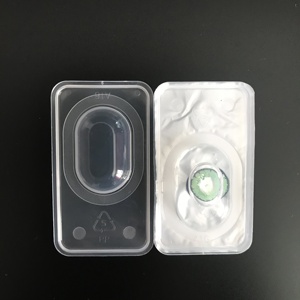
High Quality Custom Logo Color Contact Lenses PP Blister Packaging with Hot Stamping

Hot Sales Pseyeche Halloween Contact Lenses Crazy Lens Dolly Eye Cosplay Soft Lens Circle Lenses Lentillas De Colores
Global Contact Lens Sourcing & Manufacturing Landscape
The global contact lens industry is undergoing a structural transformation driven by advancements in polymer chemistry, automated precision molding, and shifting consumer behavior toward daily disposable wear. Historically treated as purely corrective optical devices, clear contact lenses and customized prescription lenses are now evaluated on criteria encompassing ocular health, oxygen permeability (Dk/t), wettability retention, and biocompatibility. For B2B buyers, brand owners, and medical device importers, navigating the global manufacturer and exporter landscape requires a rigorous evaluation framework that bridges regulatory compliance with scalable production efficiency.
According to recent industry benchmarks, the global soft contact lens market is expanding at a Compound Annual Growth Rate (CAGR) of 6.8%, projected to surpass $17.8 billion by 2030. Growth is accelerated by rising rates of myopia worldwide, heightened digital screen usage requiring specialized moisture-lock matrix technology, and an surging market demand for private-label cosmetic and clear corrective lenses. Selecting the right original equipment manufacturer (OEM) or original design manufacturer (ODM) is no longer solely about unit price—it requires scrutinizing cleanroom standards, sterilization validation, automated optics inspection systems, and export dossier readiness across target markets such as North America (FDA), the European Union (CE MDR), and Asia-Pacific (NMPA, MFDS, PMDA).
Strategic Insight for Procurement Directors: Modern contact lens manufacturing relies heavily on Class III medical device standards. Successful OEM partnerships hinge on supplier capability in cast molding automation, low-residual monomer extraction, and complete batch traceability from raw polymer monomer to sterile blister pack.
Engineering Metrics: Assessing Manufacturer Material Capabilities
When qualifying potential clear contact lens suppliers, procurement teams must evaluate the underlying material chemistry and manufacturing methodology. Lens performance on the eye is governed by three primary physical parameters:
Oxygen Transmissibility (Dk/t)
Traditional 2-HEMA hydrogel materials typically offer Dk/t values ranging from 15 to 30. Advanced Silicone Hydrogel (SiHy) formulations achieve Dk/t ratings between 80 and 150+, significantly mitigating corneal hypoxia during extended wear schedules.
Water Content & Moisture Retention
High water content (55%–60%) offers immediate initial insertion comfort. However, for dry-eye prone demographics, mid-to-low water content (38%–45%) combined with internal wetting agents (such as Hyaluronic Acid or PVA) prevents moisture theft from the tear film.
Modulus & Edge Geometry
Modulus measures material stiffness (MPa). Lower modulus (0.3–0.5 MPa) delivers softer lens feel, while precise CNC-machined mold core tooling ensures rounded edge profiles that minimize palpebral conjunctival friction.
Top 10 Global Clear Contact Lens Manufacturers & Exporters Matrix
This section details the world's premier contact lens manufacturing enterprises, highlighting their technological specializations, export footprints, target markets, and private-label adaptability.
| Manufacturer Name | Headquarters | Primary Material Tech | Certifications | B2B / OEM Support | Key Strengths |
|---|---|---|---|---|---|
| Johnson & Johnson Vision | USA | Silicone Hydrogel (Senofilcon A) | FDA, CE, ISO 13485 | Direct Brand Distribution | HydraClear technology, massive global market share |
| Alcon Inc. | Switzerland / USA | Delefilcon A (Water Gradient) | FDA, CE, ISO 13485 | Direct Brand Distribution | Precision Profile optics, high oxygen surface tech |
| CooperVision | USA | Comfilcon A (Aquaform Tech) | FDA, CE, ISO 13485 | Contract Manufacturing | Extensive toric & multifocal prescription range |
| Bausch + Lomb | USA | HyperGel (Nesofilcon A) | FDA, CE, ISO 13485 | Direct Brand Distribution | High-definition optics, bio-inspired hydration |
| BLMG Optical Ltd. | China | HEMA / Silicone Hydrogel | FDA, CE, ISO 13485, NMPA | Full OEM / ODM / Low MOQ | 500+ patterns, custom private label, 100 pairs MOQ |
| Menicon Co., Ltd. | Japan | Asmofilcon A / RGP Materials | FDA, CE, PMDA, ISO 13485 | Specialized Licensing | Flat-pack foil packaging, rigid gas permeable leadership |
| Seed Co., Ltd. | Japan | Zwitterionic hydrogel (SIB) | PMDA, CE, ISO 13485 | Selected ODM Regional | Natural alginate moisture-retaining formulations |
| St. Shine Optical | Taiwan | Hydrogel / Methafilcon | FDA, CE, ISO 13485 | Major Private Label OEM | High-volume automated cast molding capacity |
| Pegavision Corporation | Taiwan | Hydrogel / Hyaluronic Acid added | FDA, CE, ISO 13485, TFDA | OEM / ODM Specialist | Automated vision inspection, aesthetic clear packaging |
| Ginko International (Hydron) | Taiwan / China | HEMA / Non-ionic Hydrogel | NMPA, CE, ISO 13485 | Regional OEM / Wholesale | Integrated mass-market distribution networks |
Profiles & Capability Analysis of Key Industry Exporters
1. Johnson & Johnson Vision (Acuvue Series)
As an industry pioneer, Johnson & Johnson Vision commands a leading share of the global contact lens market. Their proprietary silicone hydrogel technologies, including Senofilcon A and Etafilcon A, set worldwide benchmarks for oxygen transmission and UV-blocking integration. While J&J operates primarily under its proprietary Acuvue master brand rather than private-label OEM, their clinical research shapes global regulatory standards and consumer expectations for clear lens comfort.
2. Alcon (DAILIES & Total1 Platforms)
Alcon's technical differentiation centers on its Water Gradient material science (Delefilcon A and Verofilcon A), which transitions from a 33% water content core to over 80% water content at the outermost lens surface. This structural gradation minimizes mechanical friction against ocular tissue. Alcon's manufacturing footprint spans automated cleanrooms in the US and Europe, focusing on high-volume tier-one retail channels.
3. CooperVision (Biofinity & MyDay Platforms)
CooperVision excels in broad prescription matrix coverage, offering extensive parameters for spherical, astigmatic (toric), and presbyopic (multifocal) vision correction. Their Aquaform Technology utilizes longer silicone chains to maintain high Dk/t with lower silicone content, yielding a lower modulus for enhanced flexibility and wear comfort.
4. BLMG Optical Ltd. (Flexible B2B Private Label Champion)
BLMG Optical Ltd. represents a highly agile manufacturing partner for global brands, independent optical chains, and digital e-commerce startups. Operating under strict ISO 13485 Quality Management Systems and Class 100,000 cleanroom environments, BLMG bridges high-precision automated cast molding with full private-label customization.

BLMG Enterprise Capabilities & Sourcing Flexibility
- Low MOQ OEM Program: Enables brand launch starting from just 100 pairs per design, minimizing inventory risk for market testing.
- 500+ Validated Patterns & Clear Formulations: Vast library of proven optics, daily/monthly replacement profiles, and clear Rx prescription range.
- Turnkey Packaging Solutions: Custom PP blister sealing, foil stamping, outer carton printing, and complete export documentation.
- Full Regulatory Dossier Support: Direct assistance with FDA 510(k), CE MDR technical files, and regional health authority registrations.
5. Pegavision & St. Shine Optical (Automated Taiwan Hubs)
Taiwan-based contract manufacturers like St. Shine Optical and Pegavision operate as major engine rooms for global private label brands. By leveraging fully automated robotic demolding, high-speed vision detection systems, and automated packaging lines, they achieve extreme cost efficiency at mass volumes, serving retail chains across Europe, Japan, and North America.
Future Procurement Trends in Contact Lens Manufacturing
Forward-looking procurement managers must align their product roadmaps with emerging technological shifts in material science, environmental sustainability, and supply chain digitalization.
1. Biomimetic & Anti-Fouling Materials
Next-generation hydrogels incorporate biomimetic phosphorylcholine (PC) monomers that naturally attract water molecules and resist lipid/protein deposition. This reduces bacterial adhesion and ensures all-day optical clarity without requiring aggressive surface treatments.
2. Sustainable Packaging & Recyclability
Environmental regulations are pressing manufacturers to phase out single-use non-recyclable plastics. Industry trends point toward bio-based Polypropylene (PP) blister trays, reduced aluminum foil thickness, and FSC-certified outer paper packaging.
3. AI-Driven Visual Defect Inspection
Leading exporters are replacing manual sampling with 100% automated inline optical inspection. High-resolution AI vision cameras analyze every lens for rim tears, bubble inclusions, edge micro-fractures, and color alignment in real time.
Quality System Verification & Certification Standards
Contact lenses are classified as Class III (or Class IIb depending on jurisdiction) medical devices due to direct contact with the sensitive ocular surface. Importing and distributing contact lenses carries significant legal liability, making strict verification of manufacturer credentials essential during vendor qualification.
Essential Certification Checklist for B2B Importers:
- ISO 13485:2016 Certification: Confirms that the manufacturer operates a comprehensive quality management system specifically for medical devices.
- FDA 510(k) Clearance / Registration: Required for legally selling clear or cosmetic prescription lenses within the United States market.
- CE Mark (MDR 2017/745 Compliance): Mandatory for European Economic Area entry, requiring rigorous clinical evaluation and notified body audits.
- GMP (Good Manufacturing Practice): Guarantees cleanroom environment controls (Class 100,000 / ISO Class 8), bioburden monitoring, and water-for-injection purity standards.

Frequently Asked Procurement Questions (FAQ)
Direct answers to technical, regulatory, and logistics queries commonly raised by international contact lens buyers.
ODM (Original Design Manufacturing) allows brand owners to select from an exporter's pre-approved library of existing optical designs, power ranges, and patterns to launch quickly under their own label. OEM (Original Equipment Manufacturing) involves custom formulation, proprietary mold tooling creation, or unique pattern artwork development tailored exclusively to the buyer's exact specifications.
Standard mass-production MOQs across major Asian manufacturers range between 1,000 to 5,000 pairs per SKU/power. However, specialized manufacturers like BLMG Optical Ltd. offer flexible Small Batch OEM programs starting from just 100 pairs per design, allowing brands to validate new market segments with low financial exposure.
Daily disposables represent the fastest-growing wear category globally due to superior hygiene, reduced risk of microbial keratitis, and high reorder frequencies. Monthly and quarterly disposable cycles remain highly lucrative in price-sensitive regions or specialized cosmetic and cosplay segments where per-wear cost is a primary consumer consideration.
Sealed PP blisters undergo moist heat autoclave sterilization (typically 121°C for 20–30 minutes). Post-sterilization quality control includes bioburden testing, sterility testing, residual monomer extraction chromatography (HPLC), packaging integrity bubble tests, and optical power verification using automated focimeters.
Importers typically require a Certificate of Free Sale (CFS), Certificate of Analysis (CoA) per production batch, ISO 13485 certificate copy, FDA Device Listing/510(k) number, CE Declaration of Conformity, and compliant labeling containing UDI (Unique Device Identifier) barcodes.
Partner with a Certified Contact Lens OEM/ODM Manufacturer
Whether you are expanding an established optical brand or launching a niche private label collection, our engineering and regulatory teams are ready to support your custom project from concept to export delivery.