High-Demand Prescription & Cosmetic Lenses
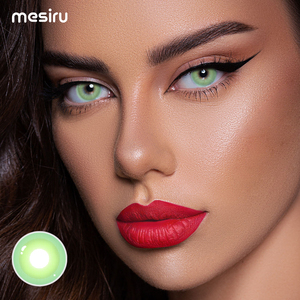
Astigmatism Dry Super Natural Soft Contact Lens Solid Color Yearly Color Lenses
Get a Quote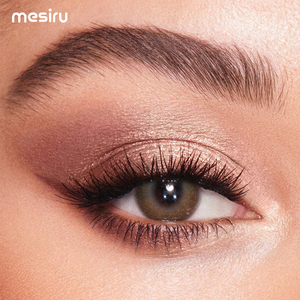
Medical Prescription Luxury Soft Eye Contact Silicone Hydrogel 40% Water Content
Get a Quote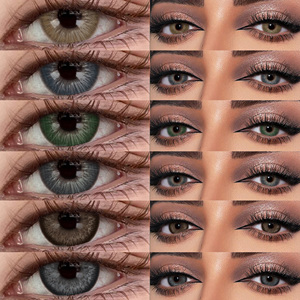
Eyeshare Multi-Tone Astigmatism Prescription Colored Contact Lenses
Get a Quote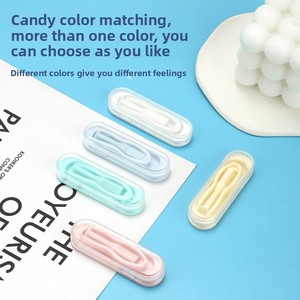
Colorful Silicone Contact Lens Tweezers & Applicator Insertion Tool Kit
Get a Quote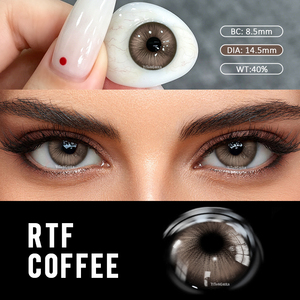
Wholesale Optical Soft Color Contact Lenses Medical Diopter Corrective Lenses
Get a Quote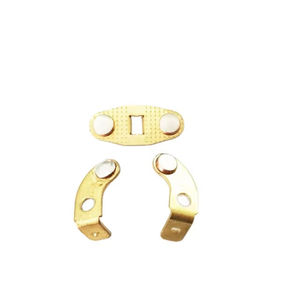
OEM Precision Industrial & Precision Component Solutions (ISO 9001)
Get a Quote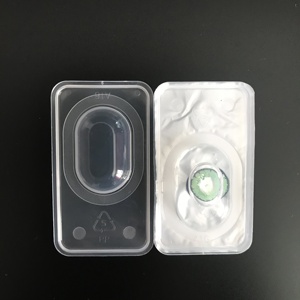
High Quality Custom Logo Color Contact Lenses PP Blister Packaging
Get a Quote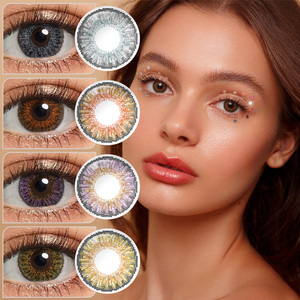
FreshGo Natural Look 3-Tone Soft Prescription Color Contacts Wholesale
Get a QuotePrescription Color Contacts Manufacturing: Strategic Sourcing & Supplier Audit Framework
The global market for prescription colored contact lenses is undergoing a structural transition. Driven by the convergence of refractive vision correction (myopia, hyperopia, and astigmatism) with aesthetic cosmetic trends, optical brand owners, pharmacy networks, and e-commerce platforms must navigate complex regulatory landscapes, polymer chemistry advancements, and contract manufacturing capabilities.
Unlike non-prescription cosmetic lenses, prescription colored contacts fall under strict medical device regulatory classifications globally—designated as Class III Medical Devices by the US FDA, National Medical Products Administration (NMPA), and European Union Medical Device Regulation (EU MDR 2017/745). Procuring these items demands rigorous supplier evaluation spanning manufacturing cleanliness, pigment encapsulation technology, diopter accuracy, and oxygen transmissibility (Dk/t).
Core Procurement Insight: The primary point of failure for expanding colored contact lens brands is not visual pigment design, but regulatory compliance misalignment and pigment leaching risks. Top-tier factories utilize micro-encapsulation "Sandwich Technology" to lock pigments safely between biocompatible polymer layers, preventing direct ocular tissue contact.
Evaluation Metrics for Prescription Color Contact Manufacturers
When qualifying an OEM/ODM partner for prescription colored contact lenses, optical procurement officers must evaluate suppliers against six baseline technical metrics:
Pigment Lock (Sandwich Tech)
Ensures color layers are embedded inside the hydrogel matrix, completely avoiding corneal abrasion or pigment release during extended wear.
Optical Power Accuracy
Automated optical power verification guaranteeing precise sphere power ranges (-0.50 to -10.00D) and cylinder/axis alignment for toric lenses.
Oxygen Transmissibility (Dk/t)
Deployment of advanced Silicone Hydrogel formulations allowing superior oxygen passage to maintain corneal health over long wear cycles.
Cleanroom Automation
Class 100,000 cleanroom environments equipped with automated optical inspection (AOI) to eliminate human margin of error in molding.
Top 10 Prescription Color Contacts Factory & Suppliers Benchmark Analysis
Based on global manufacturing output, regulatory compliance scores, technology stack, and OEM flexible batch capability, the following ten manufacturers represent the premier choices for private-label brands and B2B distributors in 2026:
BLMG Optical Ltd.
BLMG Optical Ltd. stands out as a leading global manufacturer specializing in full-chain colored contact lens R&D, custom pattern engineering, and private label execution. Operating under ISO 13485 and supporting FDA/CE compliance, BLMG offers low MOQs starting from 100 pairs alongside a catalog of 500+ production-validated patterns.
- Patented 3-Layer Sandwich Pigment Embedding
- Comprehensive Toric & Spherical Prescription Ranges
- Turnkey Packaging & Private Label Support
Bescon Co., Ltd.
A long-standing Korean manufacturer recognized for cast-molded cosmetic hydrogel lenses. Bescon excels in multi-tone natural gradient patterns and maintains extensive certifications across Asian and European markets.
- High-speed automated cast molding
- Natural iris pattern replication
- CE and NMPA registered products
Interojo Co., Ltd.
Interojo utilizes ultra-precision asymmetric design technologies to deliver comfortable prescription color contacts. They supply prominent private label brands globally with monthly and daily disposable options.
- High oxygen permeability polymers
- Advanced aberration control optics
- Established global export logistics
Pegavision Corporation
Backed by electronics design expertise, Pegavision operates automated production facilities delivering high-volume daily disposable colored lenses with tight quality tolerances.
- Fully automated robotic assembly
- High-definition color printing processes
- Robust Japanese market presence
St. Shine Optical Co., Ltd.
One of the largest contact lens manufacturers in Asia, St. Shine provides expansive contract manufacturing for clear and colored prescription lenses across global optical retail chains.
- Massive monthly manufacturing throughput
- Flexible replacement schedules (Daily to Yearly)
- Global regulatory registration files
Neo Vision Co., Ltd.
Neo Vision focuses on double-layered encapsulation methods that lock colorant inside lens materials, avoiding surface touch while maintaining high moisture retention.
- Nano-tint micro-encapsulation
- Wide array of cosmetic color tones
- Stable moisture content formulations
Innovision Optics
Innovision specializes in artistic dot-matrix pattern designs for cosmetic prescription contacts, serving fashion brands looking for unique iris visual effects.
- Complex dot matrix printing
- UV-blocking lens options
- Small to medium run manufacturing
Gelflex Laboratories
With decades of experience in specialty lenses, Gelflex produces custom prescription color contacts for unique refractive requirements and specialized optical channels.
- Extended power range availability
- Custom prosthetic & cosmetic matching
- TGA and FDA certified facilities
Seed Co., Ltd.
Seed is a premier Japanese optical manufacturer producing ultra-thin daily disposable colored contact lenses with integrated UV protection and natural tone aesthetics.
- Ultra-thin edge profile designs
- Hyaluronic acid moisture-lock polymers
- Strict PMDA Japanese quality control
Maxvue Vision
Maxvue Vision is renowned for vibrant, high-opacity colored lenses suitable for vivid transformation and dark eyes, offering prescription options across theatrical lines.
- Vibrant pigments for dark irises
- Extensive global retail distribution
- CE marked product portfolios
Key Material Trends & Technological Advances in Color Lenses
Understanding polymer chemistry is critical for B2B buyers seeking to balance wearability, color stability, and manufacturing yield.
Historically, colored contact lenses relied on conventional HEMA (hydroxyethyl methacrylate) hydrogel materials with water contents between 38% and 55%. While cost-effective, standard hydrogels offer limited oxygen transmissibility (Dk/t ranging from 15 to 25). Modern brand strategies are rapidly shifting toward Silicone Hydrogel (SiHy) matrix systems.
| Parameter / Feature | Standard Hydrogel (HEMA) | Silicone Hydrogel (SiHy) | BLMG Advanced Polymer Tech |
|---|---|---|---|
| Oxygen Transmissibility (Dk/t) | 15 - 25 Dk/t | 80 - 130 Dk/t | Up to 100+ Dk/t (Custom Formulation) |
| Modulus (Lens Softness) | 0.3 - 0.5 MPa (Very Soft) | 0.6 - 1.0 MPa (Slightly Stiffer) | 0.45 MPa (Optimized Balanced Comfort) |
| Pigment Encapsulation Method | Surface Print / Single Lock | Sandwich Matrix Embedding | |
| Dehydration Rate | Moderate to High over 8 hrs | Low (Retains surface wetting) | Ultra-Low with Hyaluronic Acid Additives |
| Ideal Sales Channel | Value Retail / Cost-Sensitive | Premium Clinical / Optical Chains | Private Label Brand Building & E-Commerce |
Toric Design Breakthroughs for Colored Astigmatism Contacts
Manufacturing prescription colored contacts for astigmatism presents an engineering challenge: maintaining visual axis stability while keeping the colored pattern perfectly centered. Top factories utilize Prism Ballast or Peri-Ballast stabilization techniques. By weighting the bottom perimeter of the lens, rotation is minimized, ensuring that cylinder correction remains precisely aligned with the wearer's cornea while preventing erratic pattern movement.
Future B2B Procurement Trends in the Color Contact Industry
As consumer demand shifts towards customization, rapid replenishment, and safety compliance, OEM suppliers must adapt their operations.
1. Low MOQ Pilot Programs
Traditional factories required 5,000+ pairs per SKU, creating high inventory risk. Future procurement relies on agile manufacturing partners offering pilot production runs from 100 to 500 pairs per design, allowing brands to test market demand prior to scaling mass production.
2. Sustainable & Eco-Friendly Packaging
Environmental regulations in Europe and North America are pushing manufacturers to abandon excessive secondary paper packaging. Modern OEM solutions feature recyclable Polypropylene (PP) blister trays, reduced foil seal materials, and biodegradable retail boxing.
3. Digital AI Iris Pattern Generation
Factories are adopting AI-driven design algorithms to create hyper-realistic 3D iris graphics. These patterns mimic human ocular structures with multi-depth layering, offering seamless color coverage for dark natural eyes.
Why Partner with BLMG Optical Ltd. for OEM/ODM Manufacturing?
BLMG Optical Ltd. combines medical-grade precision manufacturing with flexible, brand-focused contract services.
Whether launching an emerging direct-to-consumer cosmetic lens line or scaling an established optical clinic product series, BLMG provides turnkey private-label solutions tailored to international regulatory and commercial standards.
Small Batch OEM (MOQ 100 Pairs)
Test new designs, seasonal colors, or niche diopter offerings with minimal inventory exposure.
500+ Validated Iris Patterns
Access an extensive catalog of natural 1-tone, 2-tone, 3-tone, toric astigmatism, and special FX designs.
Full Regulatory Dossier Support
Receive complete ISO 13485 quality control documentation, test reports, and export compliance assistance.
Custom Blister & Box Hot-Stamping
End-to-end custom branding: custom blister foil stamping, unique color box creation, and sterile kit assembly.
Prescription Color Contact Lens Procurement FAQs
Essential technical and commercial answers for purchasing managers and brand owners.
What is the regulatory classification for prescription colored contact lenses?
Prescription colored contact lenses are classified as Class III Medical Devices under US FDA guidelines, NMPA regulations, and EU MDR 2017/745. Importers must hold medical device registration or work with certified OEM contract manufacturers equipped with ISO 13485 credentials and registered device listings.
How does "Sandwich Technology" protect wearer eye health?
Sandwich color technology embeds micro-pigments between two layers of clear hydrogel or silicone hydrogel material. This ensures color additives never come into contact with the cornea or conjunctiva, preventing pigment bleeding, allergic reactions, and surface friction discomfort.
Can color contact factories manufacture custom prescription powers for astigmatism (Toric)?
Yes. Advanced factories like BLMG Optical Ltd. produce toric colored contact lenses engineered with prism ballast stabilization. Power ranges typically cover sphere powers from 0.00D to -10.00D, cylinder powers from -0.75 to -2.75D, and axis settings in 10° increments.
What is the minimum order quantity (MOQ) for custom private label packaging?
Standard industry OEM MOQs typically range between 1,000 and 5,000 pairs per SKU. However, BLMG Optical Ltd. provides a flexible Small Batch OEM program with MOQs starting from just 100 pairs per design, making it achievable for emerging brands to launch custom-branded products.
What replacement schedules are recommended for B2B wholesale lines?
Selection depends on your target sales channel: Daily disposables are preferred for high-hygiene retail and subscription models; Monthly disposables offer the ideal balance between consumer affordability and design variety; Yearly disposable options remain popular for theatrical, costume, and specialized optical retail channels.
What factory audit documentation should buyers request prior to contract signing?
Procurement teams should verify: 1) ISO 13485 Quality Management System Certificate; 2) CE Certificate / FDA Device Listing; 3) Cytotoxicity and Bio-compatibility test reports (ISO 10993); 4) Sterilization validation documentation (Autoclave parameters); 5) Shelf-life stability data.
Request Your OEM Manufacturing Catalog & Quote
Connect directly with our engineering team to select designs, request physical samples, or plan your private label launch. Fast global dispatch and complete regulatory support.
Get a Quote