OEM/ODM Silicone Hydrogel & Cosmetic Contact Lens Portfolio
Explore our high-demand medical-grade contact lenses and accessories available for private label customization, small-batch OEM, and international distribution.

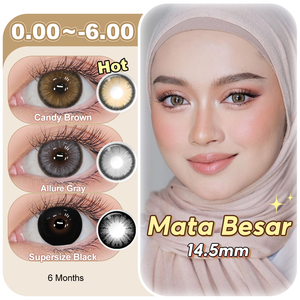
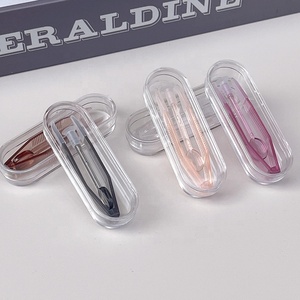
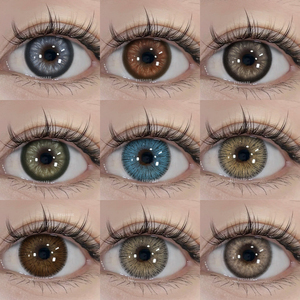
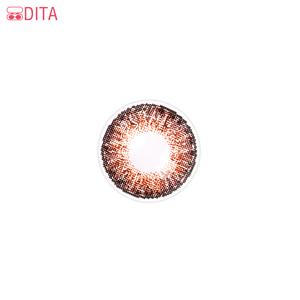
Silicone Hydrogel Material Science & OEM Manufacturing Standard
The global contact lens industry is undergoing a structural transition from traditional Hydroxylethyl Methacrylate (HEMA) hydrogel polymers to high-permeability Silicone Hydrogel (SiHy) matrix materials. For global B2B procurement directors, brand owners, and optical enterprise buyers, sourcing from top-tier Chinese contact lens manufacturers requires a deep understanding of polymer chemistry, mold casting automation, surface modification technology, and international regulatory compliance frameworks.
1. Oxygen Transmissibility (Dk/t) vs. Hydration Balance
Traditional HEMA hydrogel lenses rely exclusively on water molecules to transport oxygen across the lens matrix to the corneal epithelium. Consequently, higher oxygen transmissibility in HEMA requires higher water content. However, high-water hydrogels often draw moisture out of the tear film during prolonged wear, leading to end-of-day dryness and ocular redness. Silicone Hydrogel solves this physiological dilemma by incorporating siloxane macromers (fluorosiloxane vinyl monomers and PDMS chains) into the polymer network.
2. Advanced Surface Treatment & Internal Hydrophilic Polymers
While silicon-oxygen bonds provide exceptional oxygen flux, pure silicone is inherently hydrophobic and lipophilic. Unmodified silicone hydrogel surfaces rapidly attract lipids and proteins from the tear film, compromising optical clarity and wearing comfort. Premier Chinese silicone hydrogel factories utilize two sophisticated technological pathways to overcome surface hydrophobicity:
- Plasma Surface Oxidation & Grafting: Applying low-temperature plasma oxidation gas in vacuum chambers to transform surface siloxane groups into a hydrophilic silicate-like layer, creating an impenetrable water-binding shield over the lens.
- Interpenetrating Polymer Networks (IPN) with Internal Wetting Agents: Polymerizing internal hydrophilic wetting agents such as Polyvinylpyrrolidone (PVP) or Polyethylene Glycol (PEG) directly into the monomer matrix. This eliminates the need for post-polymerization surface coating while ensuring permanent wettability throughout the lens life cycle.
| Performance Metrics | Standard HEMA Hydrogel Lenses | Advanced Silicone Hydrogel Lenses | BLMG Optical Manufacturing Advantage |
|---|---|---|---|
| Oxygen Transmissibility (Dk/t) | 15 – 30 Dk/t | 90 – 175 Dk/t | Customized Siloxane Ratios achieving >140 Dk/t |
| Dehydration Rate | High (Absorbs tear film moisture) | Very Low (Maintains structural water) | Stabilized 38%-45% low-dehydration matrix |
| Modulus (Flexibility/Stiffness) | Very Low (0.2 – 0.4 MPa) | Moderate to Firm (0.6 – 1.2 MPa) | Soft-touch formulation optimized at 0.45 MPa |
| Color Pigment Encapsulation | Surface printing or basic sandwich | Micro-encapsulation sandwich tech | 3-Layer Lock-Color bio-compatibility printing |
| Recommended Wear Schedule | 8 – 10 Hours Max Daily | 14+ Hours Daily / Extended Wear | Certified for 16-Hour daily comfortable wear |
Enterprise Strengths & Full-Chain OEM/ODM Infrastructure
BLMG Optical.Ltd. combines biomedical engineering expertise, proprietary color design, and automated high-yield manufacturing to deliver market-leading optical solutions worldwide.
Full Automated Cast Molding
Utilizing high-precision single-use quartz and polypropylene optical molds, our fully automated liquid casting lines ensure sub-micron curve consistency, zero spherical aberration, and minimal edge-thickness variation.
Class 100,000 Cleanroom & Quality Standards
Production takes place inside strictly monitored ISO Class 7 (Class 100,000) cleanrooms. Operating under ISO 13485 Quality Management Systems with automated 100% Optical Inspection (AOI) for edge tear and bubble defects.
500+ Pattern Library & Micro-Print Tech
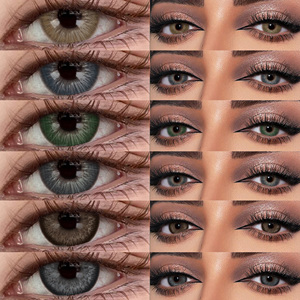
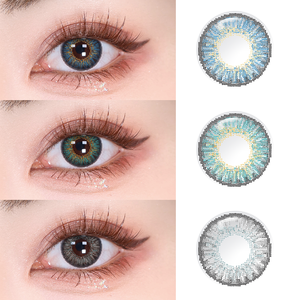
Our in-house design lab offers over 500 validated cosmetic pattern formulas—including natural iris ring blends, 3-tone gradient lenses, cosplay FX, and sclera optics—printed using non-cytotoxic bio-safe pigments embedded safely between polymer layers.
Agile Small-Batch OEM (MOQ 100 Pairs)
Empowering optical startups, beauty brands, and e-commerce entrepreneurs with low-barrier market validation. Test new colored contact lens trends or limited-edition collections with low minimum order quantities and fast prototyping turnaround.
Global Regulatory Dossier Support
Streamline your market entry. We supply complete technical documentation, device master files (DMF), biological safety test reports (ISO 10993), stability data, and certification clearance guidance for US FDA, EU CE MDR, China NMPA, and Korea MFDS.
Turnkey Private Label Packaging
From medical-grade polypropylene blister packs and glass seal vials to custom printed retail display boxes, barcode labeling, sterile saline formulation, and multi-language instruction leaflets—we deliver retail-ready products directly to your warehouse.
Strategic Procurement Trends: The Future of Contact Lens Manufacturing
As the global contact lens market expands toward an estimated $15.8 Billion valuation by 2030, procurement leaders must anticipate major structural shifts in manufacturing tech, customer preferences, and sustainability mandates.
Trend 1: Dominance of Daily Disposable Silicone Hydrogel (SiHy 1-Day)
Consumers increasingly prioritize ocular health, hygiene, and convenience over lens longevity. The market share of yearly and quarterly replacement lenses in mature markets is rapidly migrating toward daily disposables. For B2B importers, investing in automated high-volume blister-sealed 1-Day Silicone Hydrogel lines provides significantly higher lifetime customer value (LTV) and recurring reorder revenue.
Trend 2: High-Dk/t Cosmetic & Prescription Convergence
Historically, colored contact lenses were limited to standard HEMA material due to printing complexities on siloxane substrates. Next-generation Chinese contract factories have perfected Silicone Hydrogel Color Encapsulation Tech. Global buyers no longer need to compromise between aesthetic visual transformation and high oxygen transmissibility. Modern buyers require prescription myopia power (-0.50D to -10.00D) paired seamlessly with cosmetic color options in high Dk/t matrices.
Trend 3: Automated Micro-Fluidic Casting and Sustainable Polymers
Environmental regulations in Europe and North America are putting pressure on plastic waste generated during mold casting. Forward-thinking factories are adopting recyclable polypropylene mold resins, energy-efficient UV-curable polymer monomer blends, and reduced-saline blister designs, helping distributor brands satisfy corporate sustainability benchmarks.
Frequently Asked Questions for B2B Importers & Brand Owners
Essential guidance on minimum order quantities, OEM customization, compliance certificates, lead times, and technical specifications.
OEM (Original Equipment Manufacturing): We manufacture custom contact lenses built ground-up to your exact technical specifications—including custom iris graphics artwork, proprietary siloxane monomer blends, non-standard base curves (BC), or specialized optical power profiles.
• 1-Day Disposables: The ultimate in hygiene and hydration balance, packaged in convenient 10-pack or 30-pack blisters.
• Monthly Disposables: The optimal balance of cost efficiency and cosmetic variety for beauty retail.
• Quarterly & Semi-Annual: Highly popular in cost-sensitive distributor channels.
• Yearly Disposables & Specialty FX: Ideal for specialized dramatic cosplay, mini-sclera (14.8mm-15.0mm), and full-sclera (22.0mm) theatrical applications.
• Custom OEM Color Sampling: Physical sample delivery within 14 to 21 business days following vector artwork sign-off.
• Bulk Production Run: Typically completed within 25 to 35 calendar days after sample approval and deposit receipt, depending on custom blister foil printing and regulatory packaging complexity.
Ready to Build or Expand Your Contact Lens Brand?
Connect directly with our senior optical engineering and OEM project consultancy team. Request free sample kits, technical factory audits, product catalogs, and tailored price quotations today.