Precision Lens Inserter Kits & Accessories
Engineered with bio-compatible liquid silicone rubber (LSR) and non-toxic ABS polymer handles for medical optometry practices, D2C optical brands, and specialty retail channels in North America.
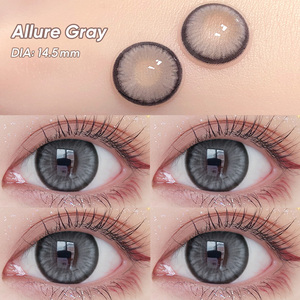
Hot Magister Ergonomic Soft Lens Inserter & Tweezer Kit
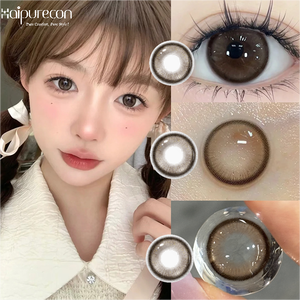
Haipurecon Medical Silicone Applicator & Custom Box Set
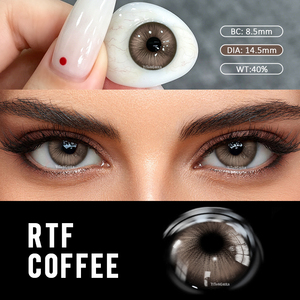
YITONGNIAN Precision Soft Ophthalmic Lens Handling Tool
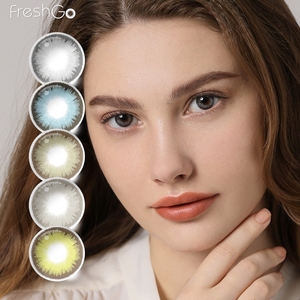
Freshgo Diamond Vacuum Suction Contact Lens Applicator
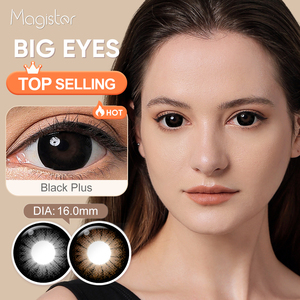
Magister 16mm-22mm Sclera & FX Contact Lens Placer Tool
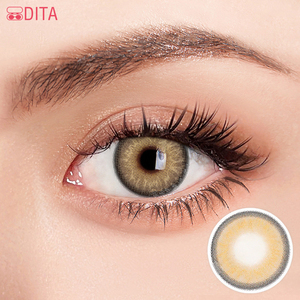
Custom OEM/ODM Contact Lens Inserter & Storage Case Kit
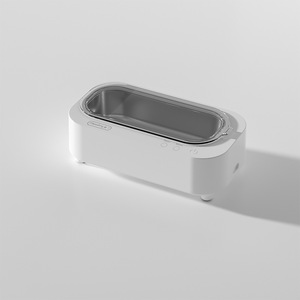
Electric Ultrasonic Lens Cleaner with Integrated Inserter
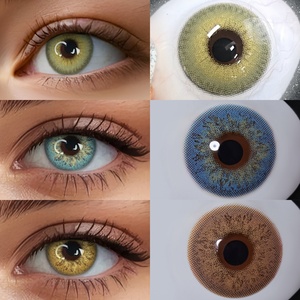
Lalens Medical Grade Softlens Placer & Removal Set
US Contact Lens Handling & Insertion Tool Market Landscape
An in-depth study on consumer safety standards, optometric practice compliance, and supply chain strategies in North America.
The United States optical accessories market is experiencing a structural shift driven by heightened hygiene awareness, rising adoption of specialty contact lenses (including scleral, orthokeratology, and custom prosthetic hydrogel lenses), and the rapid expansion of direct-to-consumer (D2C) cosmetic contact lens brands. According to the Centers for Disease Control and Prevention (CDC), over 45 million Americans wear contact lenses. However, micro-trauma to the corneal epithelium and keratitis risks caused by direct finger-to-eye contact during insertion remain primary clinical concerns for Eye Care Professionals (ECPs) across the nation.
Contact lens inserters—also designated as contact lens plungers, placers, applicators, or handling tools—have evolved from niche post-op aids into essential, everyday hygiene accessories for soft, RGP, and large-diameter scleral lens wearers. For US B2B procurement managers, optical chain buyers, and medical device brand owners, selecting a qualified Lens Inserter Tool Manufacturer requires evaluating bio-compatibility certifications, mechanical suction stability, cleanroom molding standards, and full compliance with United States Food and Drug Administration (US FDA) regulations for Class I medical accessories.
Clinical Hygiene Compliance
US optometric guidelines emphasize touchless lens application to prevent acanthamoeba and bacterial transfer from fingernails or unwashed hands into the ocular tear film.
Scleral & Specialty Boom
With scleral lenses ranging from 14.5mm to 24.0mm gaining popularity for keratoconus and severe dry eye, specialized hollow-stem plungers are critical for bubble-free insertion.
Cosmetic & D2C Bundling
Leading US cosmetic lens subscription providers bundle custom branded silicone inserters and tweezers inside every starter box to reduce customer return rates caused by insertion difficulties.
Material Bio-Compatibility & Precision Molding Specs
Mechanical parameters engineered for precise ocular alignment, zero-abrasion surface contact, and long-term fluid resistance.
| Component Part | Material Composition | Hardness / Grade | Regulatory Standard | US Market Application |
|---|---|---|---|---|
| Suction Tip / Plunger Head | Liquid Silicone Rubber (LSR) | Shore A 30° - 45° | USP Class VI / ISO 10993 | Direct contact with hydrogel & silicone hydrogel matrices. Zero scraping risk. |
| Handle / Wand Stem | BPA-Free Medical ABS / PP | Rigid High-Impact Polymer | US FDA 21 CFR 177.1520 | Ergonomic grip for precise axial control during patient eye insertion. |
| Soft Handling Tweezer Tips | Ultra-Soft Elastomer / LSR Cap | Shore A 25° | RoHS / REACH Compliant | Pinching lens edges out of blister packs without tearing outer diameter rings. |
| Portable Travel Case Shell | Crystal Polycarbonate (PC) | Shatter-Proof Clear | FDA Food Contact Safe | Hygienic dust-proof sealing with integrated micro-ventilation anti-mold channels. |
Cleanroom Production & Tooling Precision at BLMG Optical
As a premier global exporter, BLMG Optical operates high-speed automated injection molding lines housed within Class 100,000 cleanrooms. Every lens inserter tip undergoes strict optical projector dimensional inspections to guarantee zero micro-flashing, consistent suction vacuum force (0.02 - 0.05 MPa), and uniform wall thickness. This prevents accidental lens detachment during placement while ensuring effortless release once the tear film meniscus contacts the optical base curve.
Localized US Application Scenarios & Channel Demand
How specialized insertion devices serve optical retail networks, optometric clinics, theatrical studios, and cosmetic channels across North America.
Optometry Clinics & Dry Eye Centers
Used by US Optometrists (ODs) during initial patient insertion and removal (I&R) training sessions. Essential for elderly patients with presbyopia, hand tremors, or arthritis who struggle with traditional finger insertion.
E-Commerce & D2C Subscription Brands
US direct-to-consumer contact lens brands bundle customized private label inserters in monthly unboxing kits. Branded inserter wands enhance brand recall and customer satisfaction metrics.
Theatrical, Cosplay & Film Productions
Hollywood Special FX makeup artists and Halloween retail chains require heavy-duty 22mm full sclera insertion plungers to safely mount thick theatrical lenses without smudging SFX facial makeup.
US Market Localized Development Trends (2025–2030)
Key technological advancements and consumer preferences defining the next decade of ophthalmic application tools in North America.
■ Ultrasonic & UV-C Sanitizing Integration
Modern US consumers are demanding hybrid inserter cases equipped with micro-ultrasonic transducers (46,000Hz) and UV-C LED sterilization lids that clean both the lens and the silicone applicator head within 3 minutes.
■ Bio-Based Polymeric Sustainable Packaging
In response to environmental legislation in states like California and New York, demand is surging for biodegradable PLA travel cases and recyclable TPE insertion wands to meet corporate ESG goals.
■ Ergonomic LED Light-Guided Plungers
Specialty scleral lens inserters featuring hollow central optical channels with faint LED positioning alignment lights are becoming standard in US optometry, aiding patients with severe visual impairment.
■ OTC Retail Pharmacy Private Labeling
Major US pharmacy retail chains (CVS, Walgreens, Rite Aid) are expanding their private-label eye care sections, sourcing blister-packed inserters for impulse buying near contact lens care solution shelves.
Manufacturing Superiority & B2B Capabilities
How BLMG Optical empowers US importers, distributors, and brand owners with low-risk OEM/ODM solutions.
Small Batch OEM (MOQ 100 Pairs)
Lower your inventory risk. Our flexible small-batch OEM program lets US startups and optical boutiques test private label custom tool kits without massive capital commitments.
500+ Ready Tooling Mold Assets
Access our vast library of production-proven inserter molds, tweezers, and companion storage cases for rapid 10-day custom private label turnaround.
Full US FDA & ISO Compliance
Supported by ISO 13485 Quality Management Systems, CE Marking, and US FDA device registration data for seamless US Customs clearance.
US Procurement & Supplier Qualification FAQ
Essential guidance for North American optical purchasing officers, regulatory leads, and retail buyers.
Are contact lens inserter tools regulated by the US FDA?
Yes. Contact lens plungers, applicators, and handling tweezers are categorized under 21 CFR Part 886 (Ophthalmic Devices) as Class I medical device accessories. While many manual plastic/silicone applicators are 510(k) exempt, the manufacturing facility must hold valid US FDA Establishment Registration and comply with Good Manufacturing Practices (GMP / 21 CFR Part 820).
What is the minimum order quantity (MOQ) for custom private label packaging?
Our standard Small Batch OEM program starts at just 100 sets for ODM stock designs with custom pad-printed logos or outer blister card printing. For fully custom injection-molded stem colors (Pantone matching), the typical MOQ is 1,000 to 3,000 units depending on geometry.
What is the difference between soft contact lens inserters and scleral lens plungers?
Soft lens inserters feature a smaller, slightly concave soft liquid silicone head designed to hold thin hydrogel lenses gently without folding. Scleral plungers are larger (often hollow-stemmed) to create controlled suction, holding larger fluid-filled scleral lenses horizontally so no air bubbles get trapped during placement.
Which silicone materials are used to ensure no corneal damage occurs?
We exclusively utilize bio-compatible Liquid Silicone Rubber (LSR) rated Shore A 30° to 45°, compliant with USP Class VI and ISO 10993 cytotoxicity testing. The material is ultra-soft, hydrophobic, non-porous, and resistant to degradation from multipurpose contact lens disinfectant solutions.
What export documentation is provided for US import customs clearance?
We provide full B2B export documentation packages, including Commercial Invoices, Packing Lists with detailed HS Code classifications (e.g., HS 3926.90 / 9001.30), Certificates of Conformance (CoC), ISO 13485 certificates, and Material Safety Data Sheets (MSDS).
Can we request physical samples before issuing a bulk production Purchase Order?
Absolutely. We provide pre-production sample kits (including various plunger hardnesses, tweezers, and travel box formats) for engineering and clinical evaluation prior to mass production.
Scale Your Optical Brand with North America's Trusted Manufacturing Partner
Contact our OEM engineering team today to receive a complete product catalog, sample kit, and factory-direct B2B quotation for the United States market.
Get Catalog