Blog
Why Choose Yearly Disposable Contact Lenses?
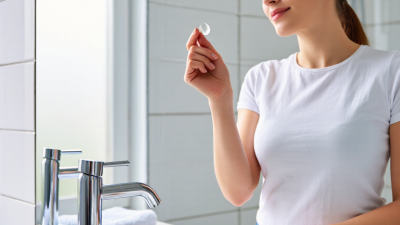
Why choose Yearly Disposable Contact Lenses when daily and monthly options dominate modern conversations? The answer is not simply lower replacement frequency. It involves prescription stability, handling habits, eye health, and total ownership cost. Yearly Disposable Contact Lenses may suit experienced wearers who prefer one carefully fitted pair and consistent visual performance throughout the year.
The U.S. Centers for Disease Control and Prevention estimates that about 45 million Americans wear contact lenses. Its contact-lens safety guidance stresses handwashing, proper cleaning, and replacing lenses as recommended. The U.S. Food and Drug Administration also classifies contact lenses as medical devices, not ordinary accessories. As ophthalmologist Thomas L. Steinemann has stated, “Contact lenses are medical devices, not cosmetics.” That distinction matters beside a bathroom mirror, where rushed cleaning can leave invisible deposits on a lens.
Industry reporting adds useful context. The 2024 Contact Lens Spectrum Annual Report continues to track strong interest in reusable lens categories, while market research from Grand View Research describes contact lenses as a growing global vision-correction market. However, broad market growth does not prove that yearly lenses fit everyone. That is the uncomfortable part.
Yearly lenses can reduce replacement packaging and repeated purchases. They can also demand stricter daily care. A damaged lens, poor storage case, or forgotten replacement schedule can undermine the expected value. This article examines comfort, hygiene, cost, sustainability, and professional fitting. It also asks a less convenient question: is a longer replacement cycle genuinely practical for your eyes, or merely cheaper on paper?
Read more »
 By:Evelyn
- October 23, 2026
10 Best Monthly Disposable Color Contacts for Global Buyers
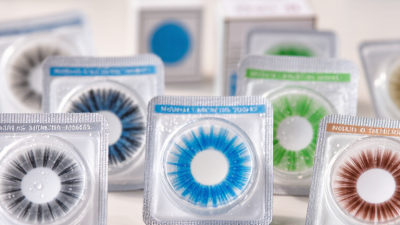
Monthly Disposable Color Contacts are moving beyond novelty fashion. They now serve seasonal styling, photography, cosplay, retail, and everyday appearance changes. Global buyers still need more than attractive iris patterns. They need verified materials, dependable replacement cycles, accurate prescriptions, and traceable manufacturing.
Market research shows why this category deserves careful attention. Grand View Research’s contact lens market reports identify continued growth in soft lens demand, supported by convenience and changing consumer preferences. However, market growth does not automatically mean safer purchasing. The U.S. Centers for Disease Control and Prevention reported that nearly all surveyed contact lens wearers had practiced at least one risky hygiene behavior. That finding remains uncomfortable. It also makes product selection more important.
A responsible comparison should examine oxygen permeability, water content, diameter, base curve, tint design, packaging integrity, and availability of prescription options. Monthly lenses are not twelve-month products. They require replacement after approximately 30 days of opening, even when they appear clean. FDA guidance also classifies decorative contact lenses as medical devices in the United States, meaning prescription and professional fitting requirements may apply. Rules differ across countries, so buyers should check local regulators before ordering.
This guide reviews 10 Best Monthly Disposable Color Contacts for Global Buyers through a practical, evidence-led lens. It considers comfort during long workdays, color realism in daylight, lens stability during blinking, and supplier communication. No ranking is perfect. Individual eyes vary. A beautiful lens can still feel wrong. Professional eye-care advice should remain part of the final decision.
Read more »
By:Evelyn
- October 18, 2026
2026 Top Daily Disposable Colored Contacts Buying Guide?
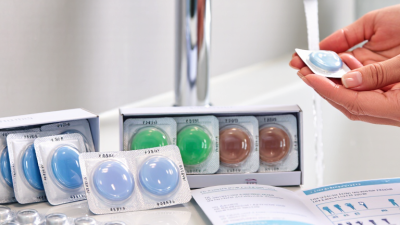
The 2026 market for Daily Disposable Colored Contacts looks attractive, but appearance should never outrank eye health. Colored lenses can change the iris from brown to blue within seconds. Yet they still sit directly on the cornea. The U.S. Food and Drug Administration classifies contact lenses, including decorative lenses, as medical devices. Its consumer guidance stresses that buyers need a valid prescription and professional fitting. This matters because a colorful product can feel harmless when it is not.
Industry demand also deserves careful interpretation. Grand View Research identifies colored contact lenses as a growing global segment, supported by fashion, social media, and cosmetic use. However, market estimates vary by definition, region, and sales channel. That uncertainty should be stated clearly. The U.S. Centers for Disease Control and Prevention reports that about 45 million Americans wear contact lenses. Its guidance links unsafe habits, such as sleeping in lenses or using water, with serious eye infections. The lesson is practical.
A reliable buying guide should compare comfort, oxygen transmission, replacement timing, prescription accuracy, and manufacturer transparency. Look for sealed blister packs, clear expiry dates, and customer support that provides real material information. Daily lenses reduce storage and cleaning demands. They do not remove every risk. Wash and dry your hands. Never share lenses. Stop wearing them if redness, pain, discharge, or blurred vision appears. Seek an eye-care professional promptly.
Some buyers may still choose color intensity over comfort. That is understandable, but worth reconsidering. The best 2026 choice is not simply the most dramatic shade. It is the lens that fits properly, comes from a traceable source, and supports healthy, informed wear.
Read more »
 By:Amelia
- October 13, 2026
Best Colored Contact Lens OEM Manufacturer in China?
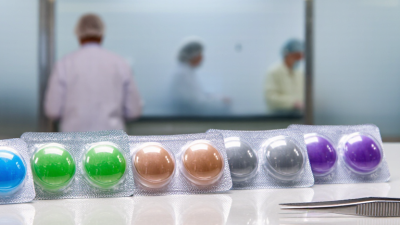
The colored contact lens market is expanding beyond seasonal fashion. Consumers now expect vivid color, stable comfort, accurate prescriptions, and dependable after-sales support. For brands, choosing a qualified Colored Contact Lens OEM Manufacturer is therefore a technical and reputational decision.
Grand View Research estimates that the global contact lens market reached approximately USD 17.5 billion in 2023. Its report also projects continued growth through 2030. Separate industry estimates for colored lenses vary considerably, partly because regional definitions and sales channels differ. That inconsistency deserves attention. Numbers can guide strategy, but they cannot replace factory verification.
A capable OEM partner should demonstrate controlled material sourcing, documented hydration testing, color consistency checks, cleanroom discipline, and traceable batch records. ISO 13485 quality systems can strengthen confidence, but certification alone does not guarantee comfortable lenses. Samples should be evaluated under realistic conditions, including long wear, artificial light, and prescription tolerances. Packaging claims must also match verified product performance.
Ophthalmologist and contact-lens researcher Dr. Thomas Steinemann has warned, “There is no such thing as a cosmetic contact lens.” His statement remains highly relevant for colored-lens buyers and manufacturers. These products still touch the eye. Safety cannot become a marketing afterthought.
The best Colored Contact Lens OEM Manufacturer combines design flexibility with measurable quality controls. Factory visits, independent testing, and transparent communication matter. Mistakes can still happen. A thoughtful sourcing process acknowledges that risk and builds safeguards before production begins.
Read more »
By:Amelia
- October 8, 2026
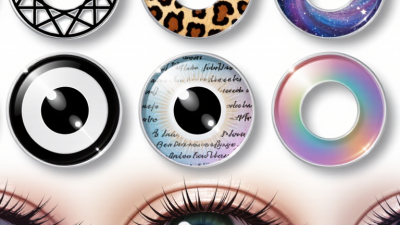
Top 10 Types of Custom Pattern Contact Lenses for Buyers
Custom Pattern Contact Lenses can transform an eye look from subtle and elegant to theatrical and highly expressive. Buyers may encounter floral prints, animal-inspired designs, geometric graphics, galaxy effects, cosplay styles, handwritten patterns, and softly tinted iris details. Each option creates a different visual impression under natural light, studio lighting, or a phone camera.
Yet the pattern is only one part of a responsible choice. Dr. Lyndon Jones, a leading contact lens researcher, has said, “Contact lenses are medical devices and should be treated as such.” That reminder matters, especially when a dramatic design appears harmless in an online product image. A lens must fit the eye correctly, maintain adequate oxygen flow, and come from a reliable manufacturer. Comfort should never be traded for a sharper costume effect.
This guide examines the top ten types of Custom Pattern Contact Lenses for informed buyers. It considers pattern clarity, color intensity, wearing comfort, cleaning requirements, and suitability for different occasions. Some designs look striking on dark eyes but appear surprisingly soft on light irises. Others may seem perfect on a screen yet feel less convincing in person.
Small details matter.
The selection process is not flawless. Product photos can exaggerate color, and individual eye shape can change the final result. Buyers should verify professional fitting requirements, follow the prescribed wearing schedule, and stop use when irritation or blurred vision appears. Aesthetic appeal is valuable, but healthy eyes remain the more convincing form of confidence.
Read more »
By:Amelia
- October 8, 2026
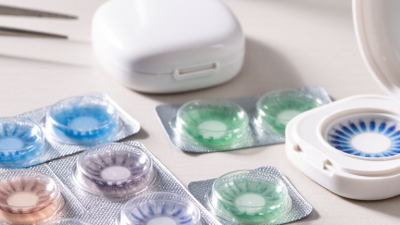
What Is Private Label Colored Contact Lenses?
Private Label Colored Contact Lenses are colored lenses sold under a retailer’s or brand owner’s name. The brand may choose the shade, packaging, diameter, and customer experience. A qualified manufacturer usually develops and produces the lenses. The process can look simple. It is not.
Dr. Thomas Steinemann, an ophthalmologist and recognized contact-lens safety expert, has warned, “Decorative contact lenses are not cosmetics or over-the-counter merchandise. They are medical devices.” His statement explains the central responsibility behind this business model. A private-label brand must treat eye safety as more important than attractive packaging or fast product launches. Reliable sourcing includes material documentation, manufacturing controls, quality testing, traceability, and clear user instructions. It also requires cooperation with licensed eye-care professionals and compliance with applicable market requirements.
Small details matter. A lens case should arrive sealed and clean. The printed color should match the approved sample. Product records should identify the batch, material, and expiration date. Customer support should respond when a wearer reports pain, redness, or blurred vision. These details build trust.
But the label alone proves nothing. That is an uncomfortable point. Some brands may focus heavily on branding while overlooking technical verification. Private Label Colored Contact Lenses should therefore be evaluated through evidence, not promises. This guide explores how the model works, what responsible production involves, and which questions buyers should ask before choosing a supplier. The goal is practical understanding, not exaggerated confidence. Eye health deserves both.
Read more »
By:Amelia
- October 8, 2026